
The Appliance Moving Checklist: Pro Tips for Safe Relocation
Planning to move your appliances but feeling overwhelmed by the sheer weight and complexity of the task? Don’t worry – we’ve got your back with expert tips and a comprehensive checklist to make your appliance relocation in Mission, BC as smooth as possible!
Moving day is already stressful enough without having to worry about your precious refrigerator taking a tumble down the stairs or your washing machine flooding the moving truck. As someone who’s helped countless homeowners navigate appliance relocations throughout Mission, I’ve seen it all – from the triumphant successful moves to the cringe-worthy disasters that could have been easily avoided.
Whether you’re moving within Mission’s charming neighborhoods like Hatzic or relocating from West Heights to downtown, proper appliance preparation is absolutely crucial. The difference between a smooth move and a costly nightmare often comes down to following the right steps and knowing what professional movers won’t handle for you.
Key Outtakes:
- Heavy appliances like refrigerators and ovens require special handling and equipment for safe transport
- Proper disconnection and preparation of appliances prevents water damage and mechanical issues during the move
- Professional movers have specific restrictions on what they will and won’t pack or transport
- Different appliance types need unique preparation steps, from defrosting freezers to securing washing machine drums
- Timing your appliance preparation correctly can save you hundreds of dollars in potential damages
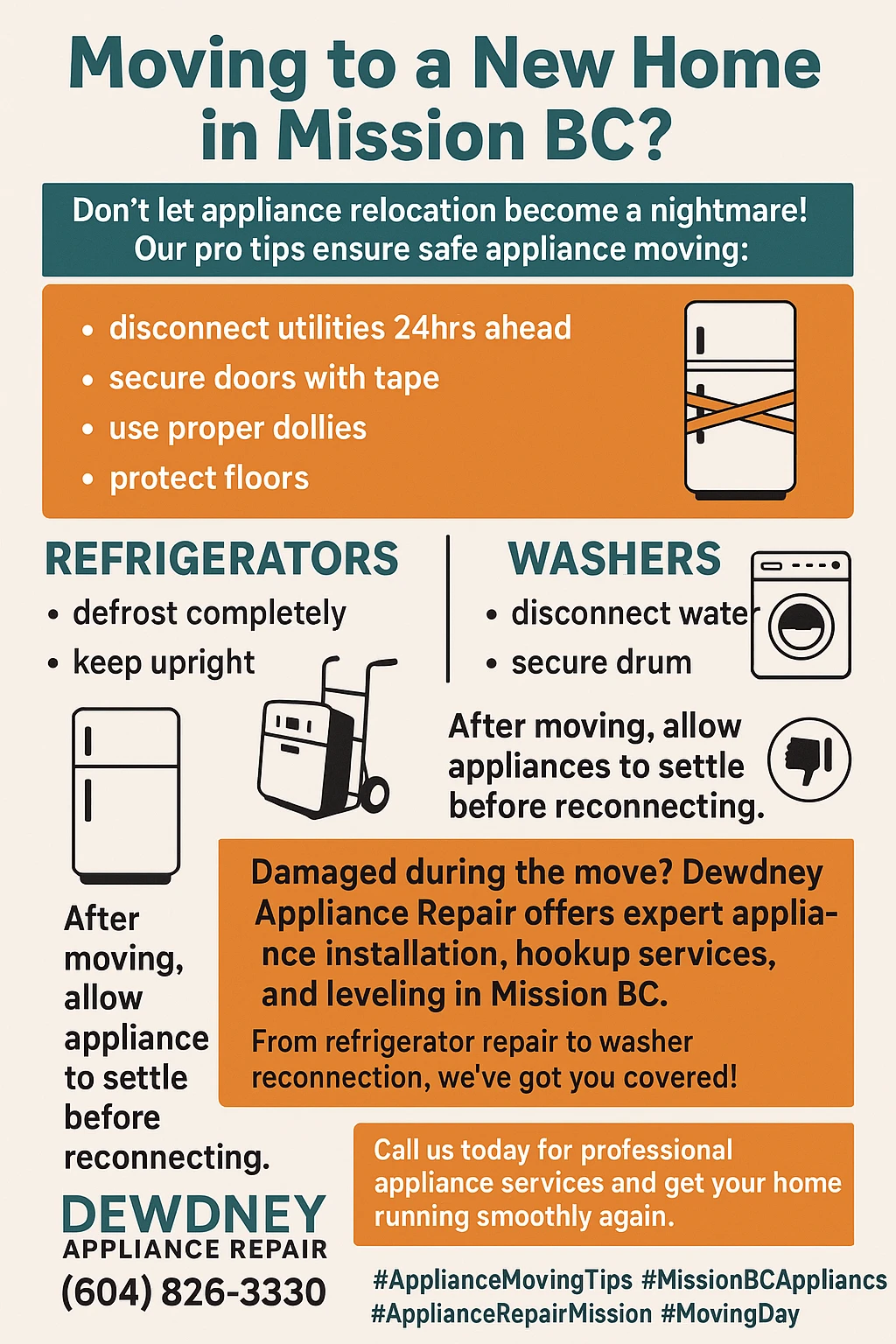
Understanding Why Appliances Are the Trickiest Items to Move
Let’s be real here – appliances are basically the nightmare fuel of moving day. They’re heavy, awkward, and packed with delicate components that seem designed to break at the worst possible moment. I learned this lesson the hard way when helping my neighbor move her vintage refrigerator, which decided to leak coolant all over her hardwood floors because we skipped the proper preparation steps.
The challenge with appliances goes beyond just their weight, though that’s certainly a factor. Modern refrigerators can weigh anywhere from 200 to 400 pounds, while your trusty washing machine tips the scales at around 150-250 pounds when empty. But here’s the kicker – it’s not just about the pounds. These machines have internal components that can shift, leak, or break if not handled with the care they deserve.
What makes appliances particularly tricky is their combination of bulk and fragility. Your dishwasher might look sturdy from the outside, but inside it’s got delicate spray arms, sensitive electronic controls, and water lines that can become dislodged during transport. Even something as simple as moving your microwave requires careful attention to the glass turntable and door alignment. Understanding these challenges is the first step toward a successful appliance move.
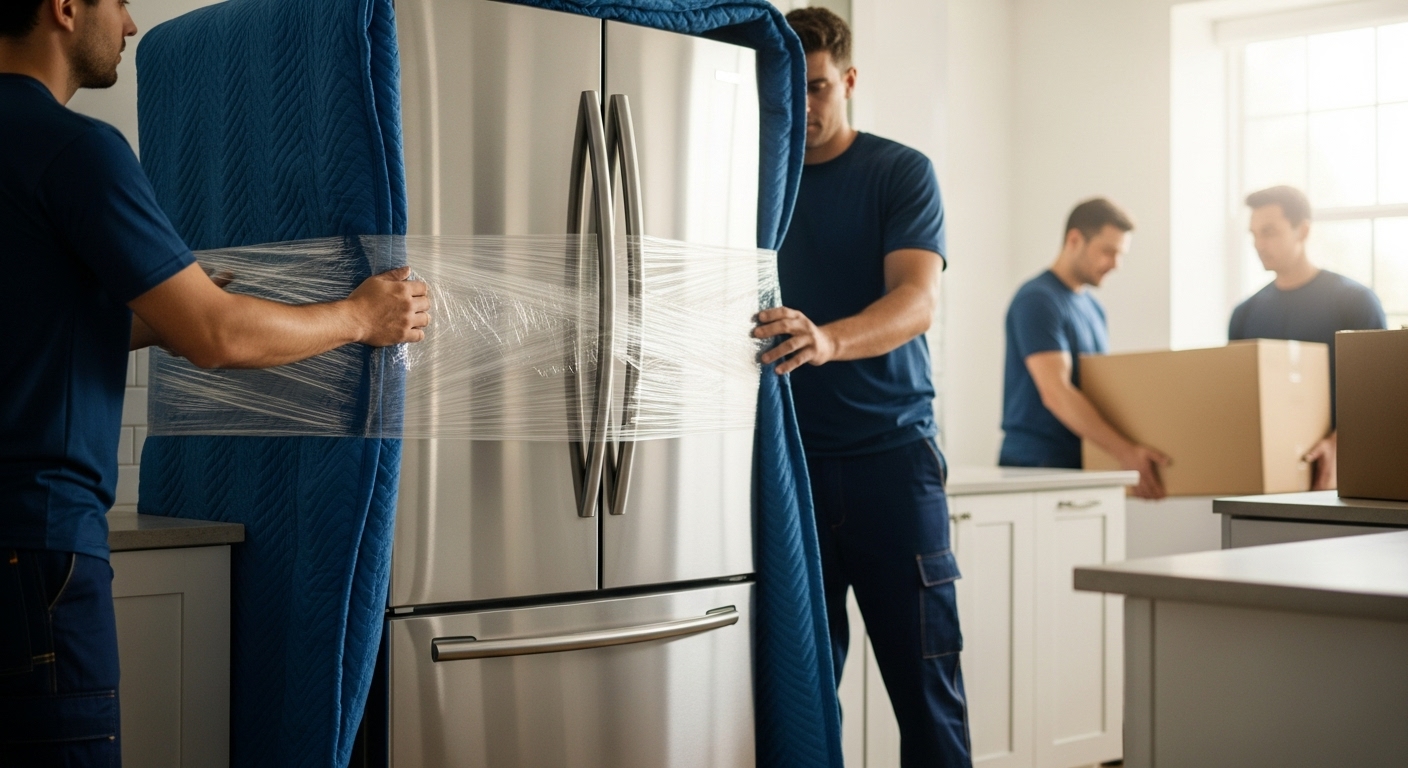
What Professional Movers Won’t Handle
Before we dive into the nitty-gritty of appliance preparation, let’s talk about something that catches many homeowners off guard – the things professional movers absolutely will not pack or move for you. Trust me, finding this out on moving day is like discovering your favorite coffee shop is closed when you desperately need your morning caffeine fix.
Professional moving companies operate under strict safety regulations and insurance limitations that directly impact what they’re willing to handle. Hazardous materials top the list of no-go items, including anything flammable, pressurized, or chemically reactive. This means that propane tank for your outdoor grill, leftover paint cans in the garage, and even nail polish remover are off-limits for professional packers.
Perishable items present another major restriction that directly affects your appliance moving strategy. Movers won’t pack anything that can spoil, which means you’ll need to completely empty and clean your refrigerator and freezer before moving day. I always tell my neighbors in Silverdale to start using up frozen foods at least a week before their move – it’s amazing how much stuff accumulates in those freezer depths.
Here’s where it gets interesting for appliance moves specifically: professional movers also won’t handle items in unsealed or damaged containers. If your appliance has any signs of leaking, rust, or structural damage, you might find yourself needing to make alternative arrangements. Many reputable moving companies will do a walkthrough beforehand to identify potential problem items, but it’s better to be prepared than surprised.
Essential Pre-Move Appliance Preparation
Now that we’ve covered what to expect from professional movers, let’s get into the meat and potatoes of appliance preparation. This is where the magic happens – or where things go spectacularly wrong if you skip steps. Think of this as your appliance’s spa day before the big journey.
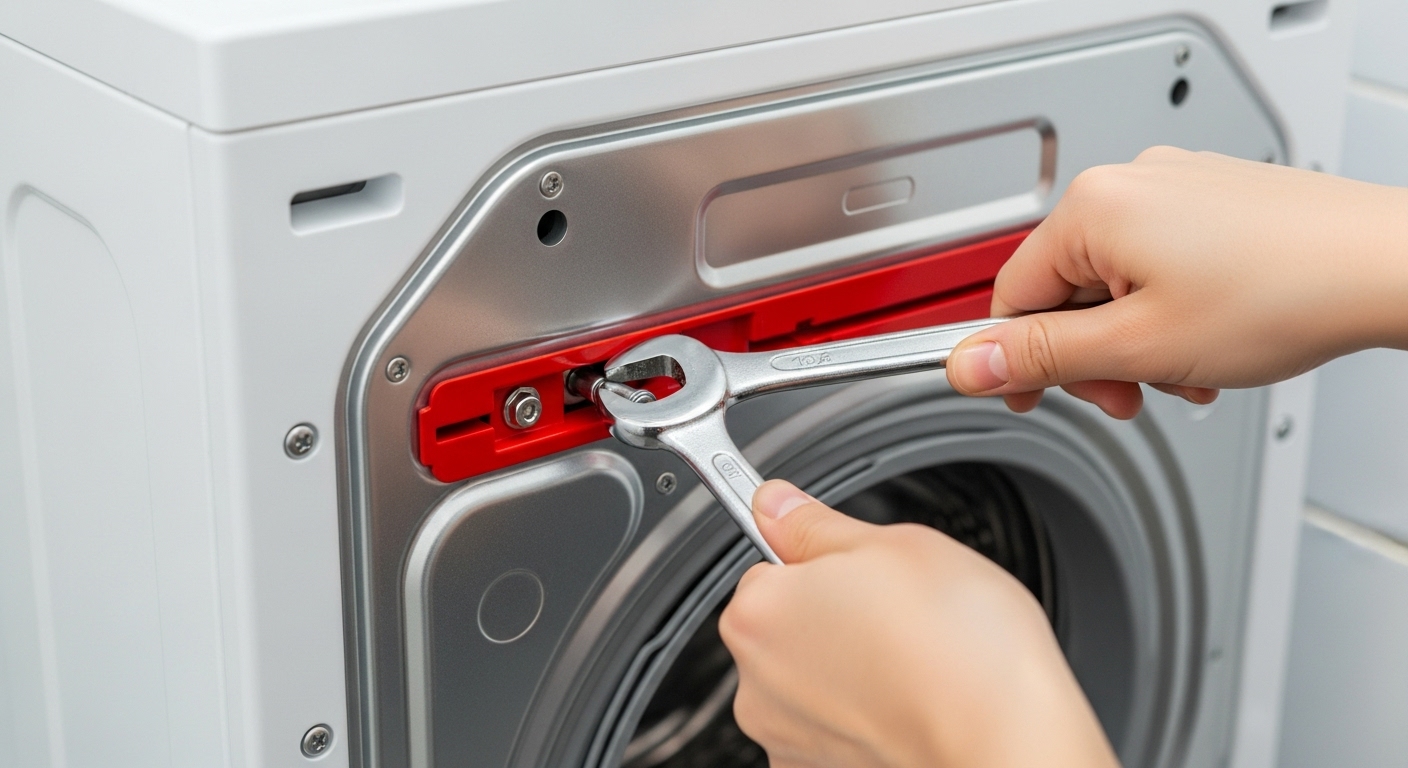
The golden rule for all appliance preparation is disconnection and drainage. Every appliance that uses water needs to be completely disconnected from water lines and thoroughly drained at least 24 hours before moving day. This includes your washing machine, dishwasher, refrigerator ice maker, and even that fancy coffee machine with the built-in water line. Water left in lines can freeze during transport or slosh around and cause internal damage.
For refrigerators and freezers, the preparation process is particularly crucial and time-sensitive. You’ll need to remove all food items, unplug the unit, and allow it to defrost completely. This process can take anywhere from 12 to 24 hours depending on ice buildup. Pro tip from my years of helping Mission residents: place towels around the base to catch melting ice, and remove all shelves and drawers to pack separately. These glass components are surprisingly fragile and expensive to replace.
Washing machines require special attention to the drum mechanism. Most modern washers have shipping bolts that need to be reinstalled to prevent the drum from bouncing around during transport. If you’ve lost the original bolts (and let’s face it, who keeps those?), you can usually order replacements from the manufacturer or find universal ones at appliance stores in Mission.
Room-by-Room Appliance Moving Strategy
Moving appliances isn’t a one-size-fits-all process, and the room they’re coming from often dictates the specific challenges you’ll face. Each space in your home presents unique obstacles and requirements that can make or break your moving day success.
The kitchen typically presents the most complex appliance moving scenario. It’s like the final boss level of appliance relocation, packed with multiple heavy units, complex connections, and limited maneuvering space. Your refrigerator, dishwasher, range, and possibly a built-in microwave all need coordinated removal without damaging cabinets, flooring, or each other. I always recommend starting with the refrigerator since it needs the longest preparation time and usually requires the most space to maneuver.
Laundry rooms present their own set of challenges, particularly in older homes throughout Mission where these spaces tend to be compact and oddly shaped. Washer and dryer combinations are notoriously difficult to separate and move, especially when they’ve been stacked or installed in tight alcoves. The key here is measuring everything twice – doorways, hallways, and staircases – before attempting to move anything. I’ve seen too many situations where families in areas like Hatzic had to temporarily remove doors or even call in professional help because they underestimated spatial requirements.
Basement appliances, including utility sinks, water heaters, and secondary refrigerators, often present the most logistical nightmares. Narrow stairways, low ceilings, and multiple turns can turn a simple appliance move into an engineering puzzle. Professional moving teams often recommend evaluating whether older basement appliances are worth moving at all, considering the effort and potential damage risks versus replacement costs.
Safety Equipment and Techniques
Let’s talk about the tools and techniques that separate successful DIY appliance moves from emergency room visits and insurance claims. Having the right equipment isn’t just about making the job easier – it’s about preventing serious injury and property damage.
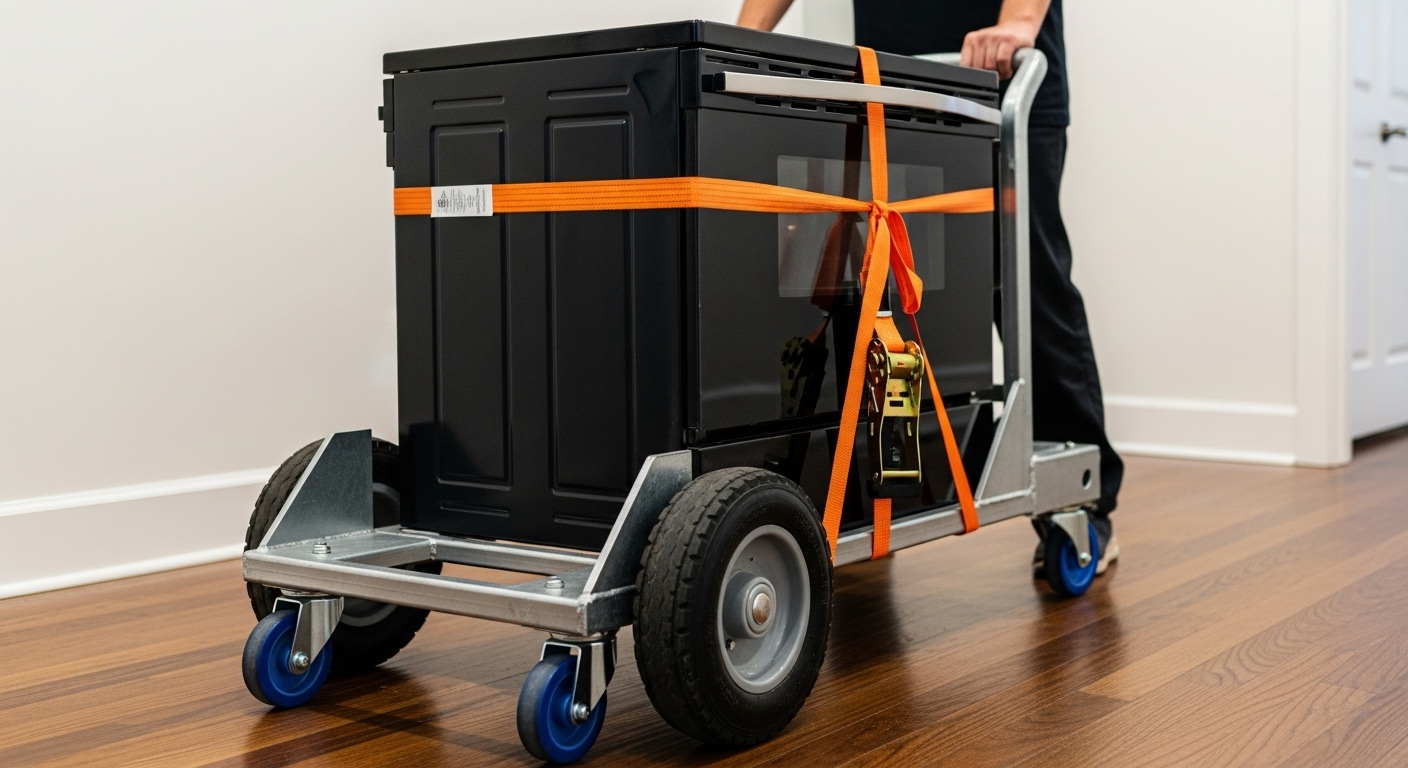
Appliance dollies are absolutely non-negotiable for any appliance move. These specialized moving tools are designed to handle the weight distribution and bulk of major appliances safely. Unlike regular hand trucks, appliance dollies have wider bases, higher weight capacities, and often include strapping systems to secure your appliances during transport. You can rent these from most hardware stores in Mission, and trust me, the rental cost is nothing compared to the potential medical bills or appliance replacement costs.
Moving straps and securing systems are equally crucial for safe appliance transport. Even with the best dolly, appliances can shift during loading and transport, potentially causing damage to the appliance, moving truck, or surrounding items. Quality moving straps distribute weight evenly and provide multiple anchor points to keep your appliances stable throughout the journey.
Personal protective equipment might seem overkill for moving appliances, but consider this: these machines have sharp edges, heavy components, and can pinch fingers or cause back injuries if handled improperly. Heavy-duty work gloves, steel-toed shoes, and back support belts aren’t just professional moving team accessories – they’re smart protection for anyone handling appliances weighing 100+ pounds.
Special Considerations for Different Appliance Types
Every appliance has its own personality when it comes to moving requirements, and understanding these individual quirks can save you from costly mistakes and frustrating delays. It’s like knowing that your friend Sarah always runs ten minutes late – once you know the pattern, you can plan accordingly.
Refrigerators and freezers are perhaps the most temperamental appliances to move, requiring specific positioning and timing considerations. These units should never be transported on their sides or tilted beyond a 45-degree angle, as this can cause compressor oil to flow into cooling lines and potentially damage the entire cooling system. If your refrigerator must be tilted to navigate tight corners or doorways, let it sit upright for at least 4 hours before plugging it back in.
Gas appliances introduce an entirely different set of safety considerations that require professional intervention. Gas ranges, dryers, and water heaters must be disconnected by licensed gas technicians both at your old home and reconnected at your new location. This isn’t a DIY situation – gas line connections require proper tools, knowledge, and often permits. Many homeowners in West Heights have learned this lesson the hard way when attempting to reconnect gas appliances themselves.
Built-in appliances like dishwashers and over-the-range microwaves often require partial cabinetry removal or modification for safe extraction. These units are typically secured with multiple mounting points and may have custom trim pieces that need careful removal and labeling for reinstallation. Documentation with photos before disconnection can be invaluable for proper reinstallation in your new home.
Frequently Asked Questions
How far in advance should I start preparing appliances for moving?
Start your appliance preparation at least one week before your moving date, with some items requiring even earlier attention. Refrigerators and freezers need 24-48 hours to properly defrost and dry, while scheduling professional disconnection for gas appliances may require several days’ notice. Use this time to also research any permits or professional services you might need in your new location.
Can I transport my washing machine with water still in it?
Absolutely not – transporting a washing machine with water inside is a recipe for disaster. Even small amounts of water can cause significant damage to internal components during transport and potentially leak into your moving truck or new home. Always run a complete drain cycle and disconnect water lines at least 24 hours before moving to ensure all water has been removed from internal reservoirs and lines.
What’s the most challenging room to move appliances from?
Kitchens typically present the most challenging appliance moving scenarios due to the number of appliances, tight spaces, and complex utility connections. The combination of multiple heavy units, limited maneuvering room, and the need to coordinate disconnection of water, gas, and electrical connections makes kitchen appliance moves particularly complex. Basements with narrow staircases and low ceilings run a close second in difficulty.
Wrapping Up
Moving appliances doesn’t have to be the nightmare scenario that keeps you awake at night. With proper preparation, the right equipment, and a clear understanding of what’s involved, you can successfully relocate your appliances without drama or damage. Remember that some aspects, particularly gas disconnections and heavy lifting, are worth investing in professional help to ensure safety and proper handling.
At Dewdney Appliance Repair, we understand that moving appliances is just one part of maintaining your home’s essential systems. Whether you need pre-move appliance inspections, post-move reconnection assistance, or repair services after your relocation, our experienced team serves homeowners throughout Mission and surrounding areas. Contact us today to ensure your appliances are ready for their journey and properly set up in your new home.
