
Dealing with an appliance breakdown at the worst possible moment? No problem – we’ll cover the most essential emergency response strategies and what you can do to handle these crises like a pro from the comfort of your home. Picture this: it’s 6 AM on a Tuesday, you’re rushing to get the kids ready for school, and suddenly your washing machine starts making sounds like a dying whale before completely giving up. Or maybe it’s the middle of a dinner party and your oven decides to take an unscheduled vacation. These appliance emergencies don’t wait for convenient timing, and when you’re living in Mission, you need to know exactly how to respond when disaster strikes.  The reality is that modern homes depend heavily on appliances to keep daily life running smoothly. From keeping food fresh to cleaning clothes and dishes, these machines have become integral to our routines. Understanding how to handle emergency situations can save you time, money, and a whole lot of stress.
Key Outtakes:
- Quick assessment and immediate safety measures can prevent minor issues from becoming major disasters
- Knowing when to attempt DIY fixes versus calling professionals can save both money and prevent further damage
- Having emergency contacts and basic tools ready reduces response time during appliance crises
- Understanding your appliances’ warning signs helps you catch problems before they become emergencies
- Temporary solutions can keep your household running while waiting for professional repairs
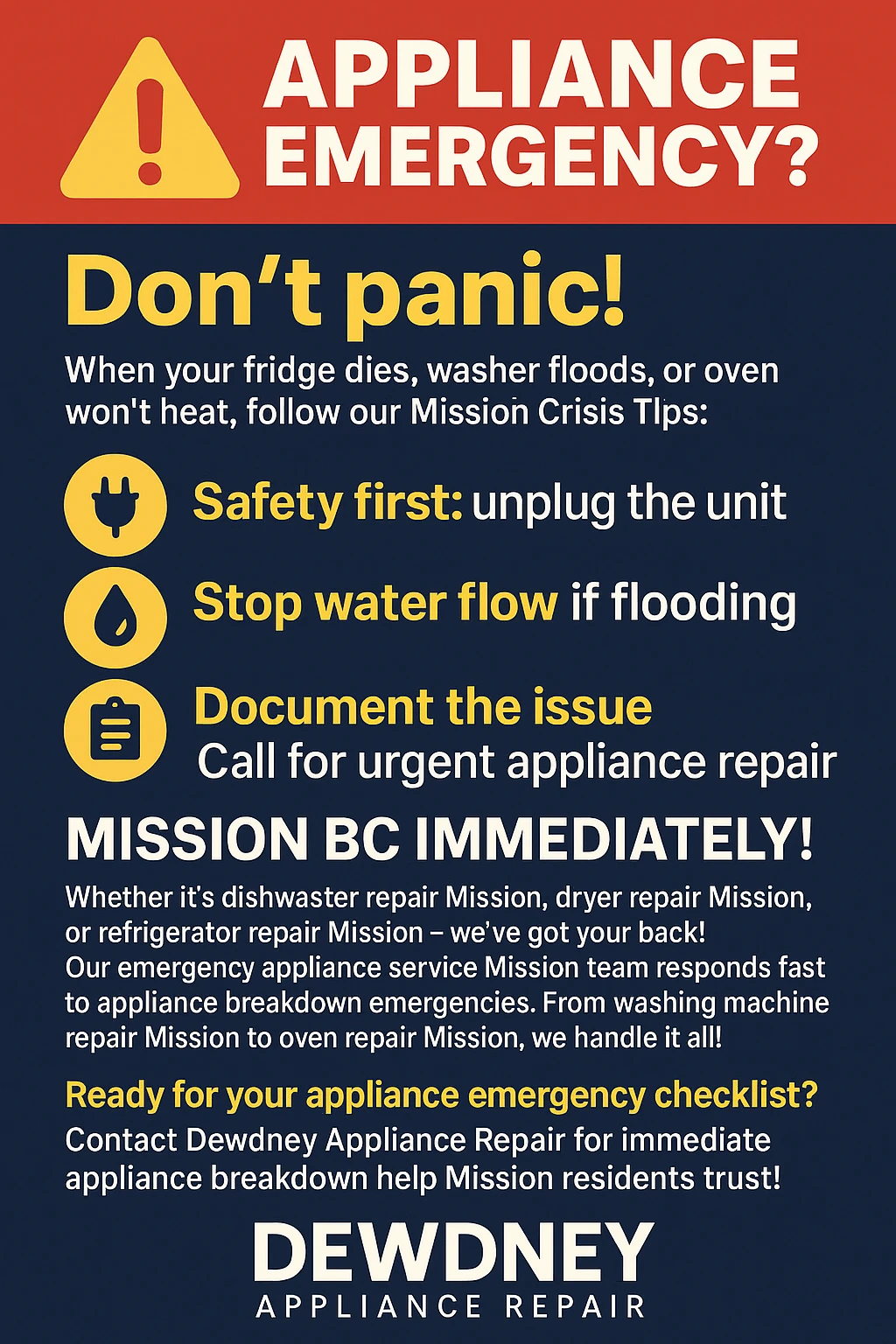
Understanding Appliance Emergencies
Not every appliance hiccup qualifies as a true emergency, but knowing the difference can save you from panic and costly mistakes. A genuine appliance emergency involves situations where there’s immediate danger, significant property damage risk, or complete loss of essential functions. Think water gushing from a dishwasher, smoke coming from an oven, or a refrigerator that’s completely dead during a heatwave. The key to effective emergency response lies in staying calm and following a systematic approach. First, ensure everyone’s safety by addressing any immediate hazards like electrical issues or water leaks. Then, assess whether the situation requires immediate professional intervention or if temporary measures can buy you time until normal business hours. Understanding your home’s layout and utility shutoffs becomes crucial during these moments. Every homeowner should know where their main water valve, electrical panel, and gas shutoff are located. This knowledge transforms a potentially catastrophic situation into a manageable inconvenience.
Immediate Response Strategies
Moving from initial assessment to action requires a clear head and quick decision-making, but the steps themselves are straightforward once you know what to look for. Your first priority should always be safety – if there’s any sign of electrical problems, gas leaks, or structural damage, evacuate the area and call emergency services immediately. 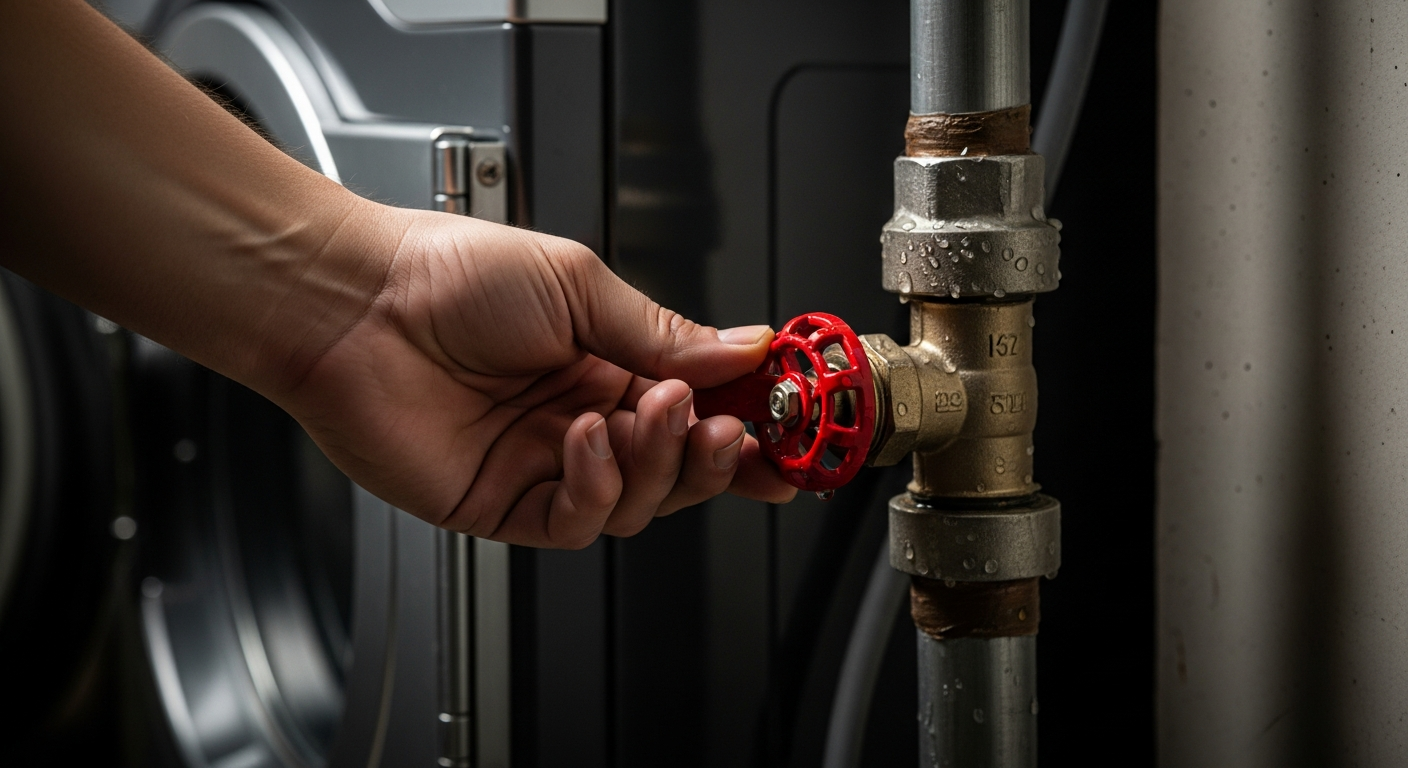 For less dangerous but still urgent situations, start by documenting everything with photos and notes. This information proves invaluable when speaking with repair technicians or insurance companies later. Take pictures of error codes, water damage, or unusual sounds if possible. These details help professionals diagnose problems more quickly and accurately. Power down the affected appliance and unplug it if safe to do so. This simple step prevents further damage and eliminates potential safety hazards. For water-related emergencies, locate and turn off the water supply to the specific appliance. Most dishwashers and washing machines have individual shutoff valves, usually located behind or near the unit. Next, contain any damage that’s already occurred. Use towels to soak up water, move nearby items to safety, and ventilate areas where smoke or unusual odors are present. These immediate actions often mean the difference between a simple repair and extensive property damage.
When to Call Professional Help
The transition from DIY troubleshooting to professional intervention isn’t always obvious, but certain red flags should send you straight to the phone. Understanding these boundaries protects both your safety and your wallet from potentially costly mistakes. Electrical issues top the list of situations requiring immediate professional attention. If you notice sparks, burning smells, or any signs of electrical malfunction, step away from the appliance and call a qualified technician. The same goes for gas appliances – any smell of gas or suspected gas leak requires immediate professional response and possibly emergency services. Complex mechanical failures also warrant professional help. When appliances make unusual grinding noises, leak significant amounts of water, or display error codes you can’t resolve through basic troubleshooting, it’s time to bring in the experts. Attempting repairs beyond your skill level often leads to more expensive problems down the road. Water damage situations escalate quickly and require swift action. If an appliance is causing flooding or significant water leaks, shut off the water supply immediately and contact both a repair service and potentially a water damage restoration company. Residents in areas like Silverdale and Canterbury know how quickly moisture problems can lead to mold and structural issues in our climate.
Emergency Service Considerations
Emergency repair services typically cost more than regular appointments, but they’re worth it for true emergencies. Most reputable companies offer 24/7 service for situations involving safety hazards or major property damage risks. However, be prepared for higher rates during off-hours, weekends, and holidays. Before calling, gather important information about your appliance including the brand, model number, and a clear description of the problem. Having this information ready speeds up the diagnostic process and helps technicians bring the right parts and tools. Also, be prepared to describe any troubleshooting steps you’ve already attempted.
Temporary Solutions and Workarounds
While waiting for professional help to arrive, implementing smart temporary solutions keeps your household functioning and prevents additional problems from developing. These stopgap measures aren’t permanent fixes, but they bridge the gap between crisis and resolution. For refrigerator failures, time becomes your enemy as food spoilage accelerates rapidly. Move perishable items to coolers with ice, or arrange temporary storage with neighbors or friends. If it’s a partial failure where the freezer works but the refrigerator section doesn’t, prioritize saving the most expensive and perishable items in the functioning freezer space. Washing machine emergencies often involve water everywhere, so your first priority is stopping the leak and cleaning up existing water. Once you’ve addressed the immediate water issue, hand washing essential items or finding a local laundromat becomes necessary for families with daily laundry needs. Professional appliance services often provide same-day emergency repairs for these situations. Dishwasher problems usually mean reverting to hand washing dishes – inconvenient but manageable. Set up an efficient washing station with hot soapy water, rinse water, and proper drying space. For large families, paper plates might be a temporary solution for non-messy meals while maintaining some normalcy in your routine.
Kitchen Appliance Alternatives
When ovens or stovetops fail, creative cooking solutions keep meals on the table. Slow cookers, microwaves, toaster ovens, and even outdoor grills can handle most basic cooking needs. Plan simple meals that work with available appliances, and consider it an opportunity to try new cooking methods you might not normally use. For heating emergencies in areas like Cedar Valley where temperatures can drop significantly, space heaters provide temporary warmth while maintaining safety protocols. Never use outdoor heating devices indoors, and ensure proper ventilation with any temporary heating solutions you implement.
Prevention and Early Detection
The best emergency response is preventing emergencies from happening in the first place, which means developing keen awareness of your appliances’ normal operating patterns and recognizing early warning signs. This proactive approach catches problems while they’re still manageable repair issues rather than full-blown emergencies. 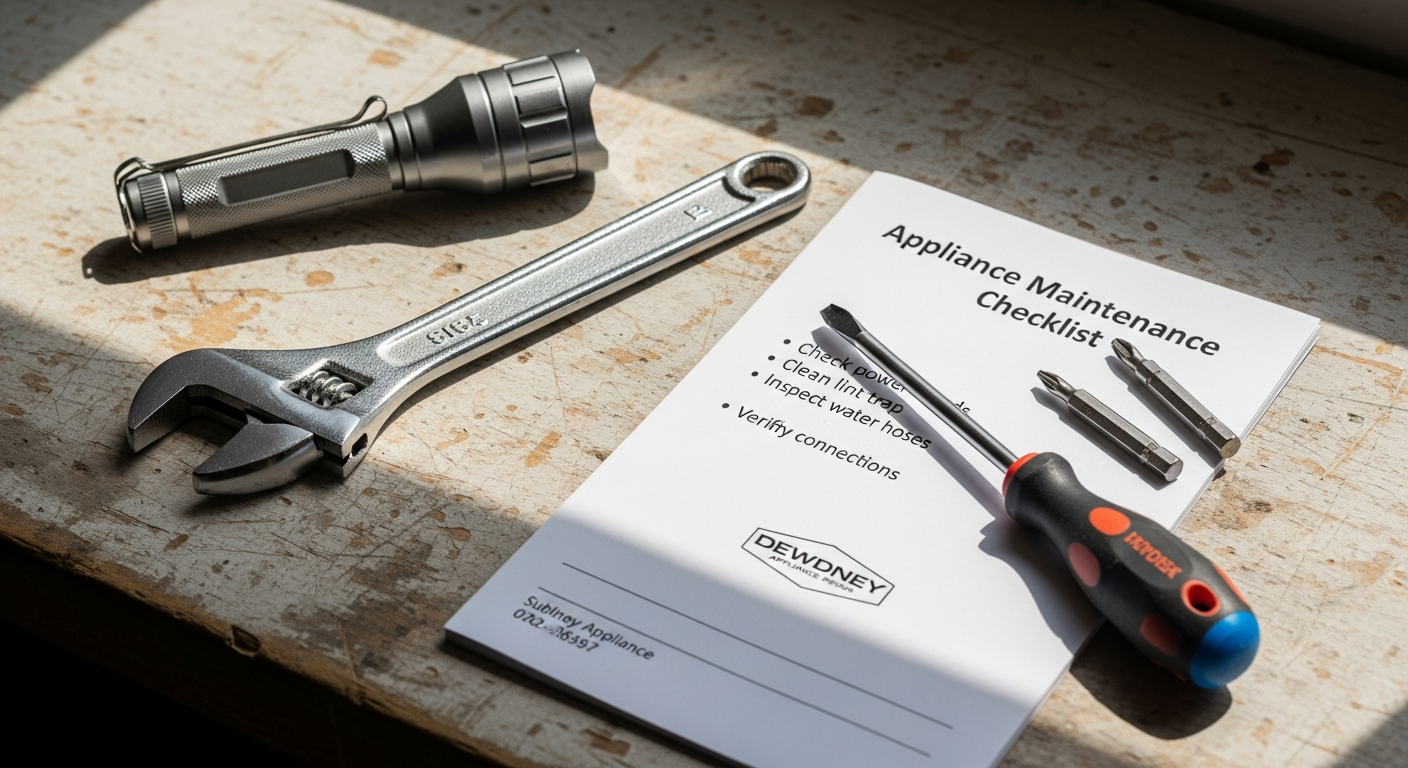 Regular maintenance schedules prevent many emergency situations from developing. Simple tasks like cleaning dryer vents, replacing water filters, and checking hose connections take minimal time but prevent major failures. Create a seasonal maintenance checklist and stick to it religiously – the investment in time and minor costs pays dividends in avoided emergencies. Learn to recognize the subtle changes that precede major failures. Appliances rarely fail without warning; they usually give signs that something’s wrong. Unusual noises, longer cycle times, inconsistent performance, or strange odors all signal developing problems that professional attention can address before they become emergencies. Temperature monitoring becomes especially important for refrigeration equipment. Invest in appliance thermometers and check them regularly. A refrigerator running slightly warm gives you time to arrange for repair before food spoilage becomes an issue. Similarly, dishwashers that aren’t getting dishes completely clean might have developing pump or heating element issues.
Building Your Emergency Kit
Every household should maintain a basic appliance emergency kit with essential tools and supplies for immediate response situations. Include adjustable wrenches, screwdrivers, flashlights, towels, buckets, and basic electrical tape. Having these items readily accessible saves precious time during crisis situations. Keep important documentation organized and easily accessible. Warranty information, user manuals, and service contact numbers should be in a designated location that all family members know about. Digital copies stored on your phone provide backup access when physical documents aren’t available.
Frequently Asked Questions
What constitutes a true appliance emergency?
A genuine appliance emergency involves immediate safety risks, significant property damage potential, or complete loss of essential functions during critical times. Examples include water flooding from a dishwasher, smoke from an oven, electrical sparks from any appliance, or total refrigerator failure during hot weather. Situations that can wait until normal business hours, while inconvenient, aren’t true emergencies requiring premium emergency service rates.
Should I attempt any repairs myself during an emergency?
Only attempt basic troubleshooting like checking power connections, examining for obvious blockages, or shutting off water supplies. Never work on electrical components, gas connections, or complex mechanical systems. Your safety and the potential for causing more expensive damage far outweigh any potential savings from DIY attempts during emergency situations.
How quickly can emergency appliance repair services respond?
Response times vary depending on location, time of day, and service provider, but most emergency services aim for same-day response within 2-4 hours of your call. Services covering Mission and surrounding areas typically maintain on-call technicians for true emergencies. However, higher fees apply for emergency calls, especially during evenings, weekends, and holidays.
Wrapping Up
Appliance emergencies test every homeowner’s problem-solving skills, but preparation and knowledge transform these stressful situations into manageable challenges. Remember that safety always comes first, followed by damage containment and appropriate professional help when needed. When you’re facing an appliance crisis in Mission or surrounding areas, Dewdney Appliance Repair stands ready to provide expert emergency response services. Our experienced technicians understand the urgency of appliance failures and offer reliable repair solutions to restore your home’s functionality quickly and safely.
