
The Appliance First Aid Kit: DIY Fixes Every Homeowner Should Know
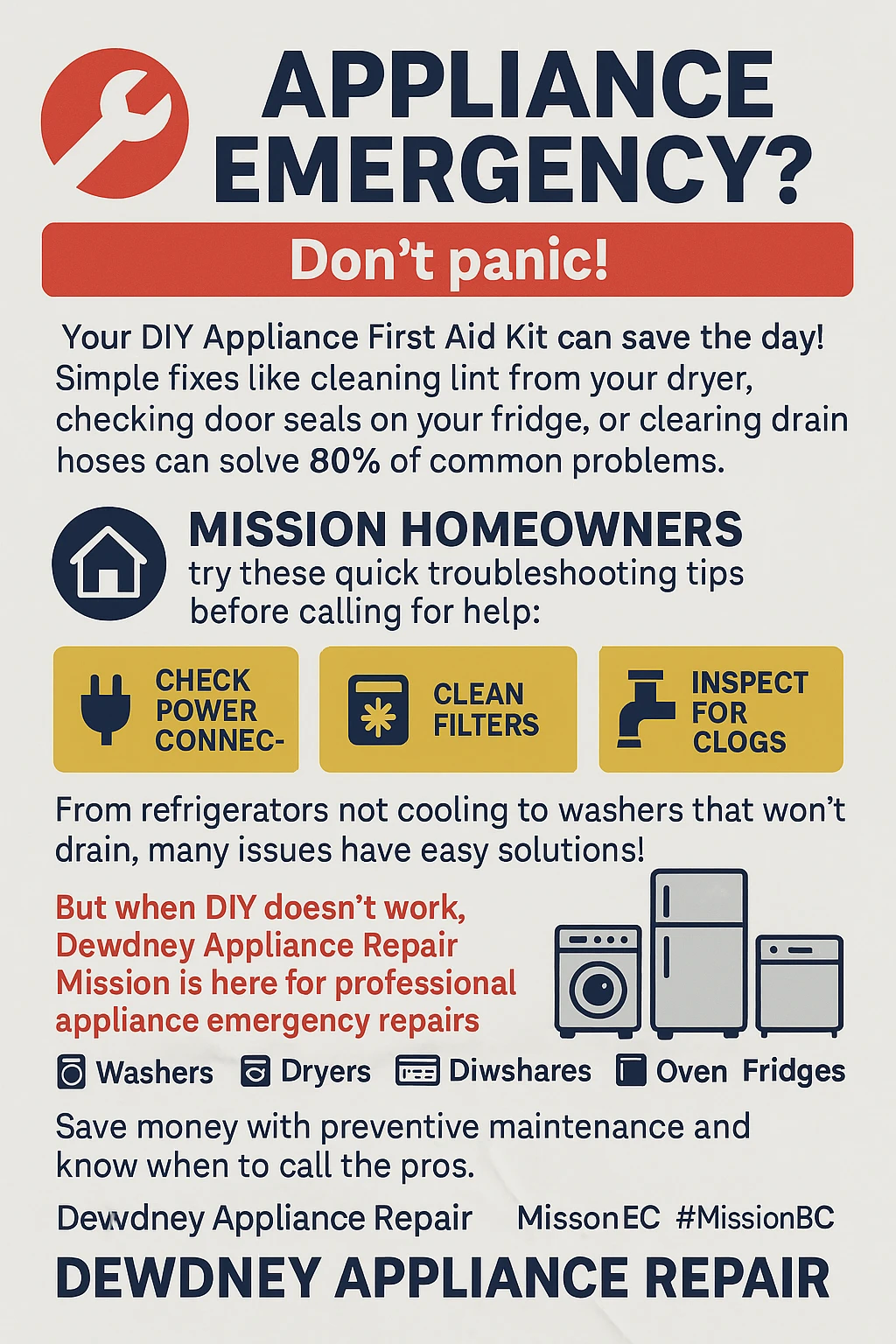
Tired of waiting hours for a repair technician when your dishwasher won’t drain or your dryer won’t start? These common appliance hiccups can often be resolved with simple DIY fixes that’ll save you time, money, and the frustration of dealing with broken appliances in your Mission home. Picture this: You’re hosting Sunday dinner for the family in your cozy Silverdale home when suddenly your dishwasher decides to take an unscheduled break. Water’s pooling at the bottom, dishes are piling up, and your stress levels are skyrocketing. Before you panic and call for emergency repairs, there’s often a simple fix you can try yourself. As someone who’s been there (trust me, my washing machine once flooded my laundry room during the most inconvenient moment possible), I’ve learned that having a basic appliance first aid kit can be a total game-changer. Think of appliance troubleshooting like being the house doctor – you don’t need a medical degree to put a bandage on a scrape. Most appliance issues are actually pretty straightforward once you know what to look for, and many can be resolved without spending a dime on service calls.
Key Outtakes:
- Most common appliance problems have simple DIY solutions that require basic tools and supplies
- Having an appliance first aid kit ready can save you hundreds of dollars in unnecessary service calls
- Safety should always come first – know when to call professionals for complex electrical or gas-related issues
- Regular maintenance prevents most appliance breakdowns before they happen
- Understanding your appliances’ basic functions helps you troubleshoot problems more effectively
Understanding Your Appliance First Aid Kit Essentials
Creating an effective appliance first aid kit is like building the perfect toolbox – you want the right tools for the job without going overboard. Your kit should include basic items that address the most common appliance hiccups homeowners face in areas like Aberdeen and Glen Valley. Start with a good flashlight (because Murphy’s Law dictates appliances break in the darkest corners), a set of screwdrivers, pliers, and a multimeter for basic electrical testing. Beyond tools, your kit should include cleaning supplies specifically designed for appliances. White vinegar is your best friend for descaling and removing mineral buildup, while baking soda works wonders for deodorizing and gentle abrasive cleaning. Keep some appliance-specific lubricants handy, along with replacement fuses and basic filters. Don’t forget about safety gear – rubber gloves and safety glasses should be non-negotiable items in your kit. The beauty of having these supplies ready is that when your refrigerator starts making weird noises at 10 PM on a Sunday, you’re not scrambling to find solutions. You can methodically work through common fixes before deciding whether professional help is needed. This approach has saved me countless service calls over the years, and I’ve learned that preparation really is half the battle when it comes to appliance maintenance. 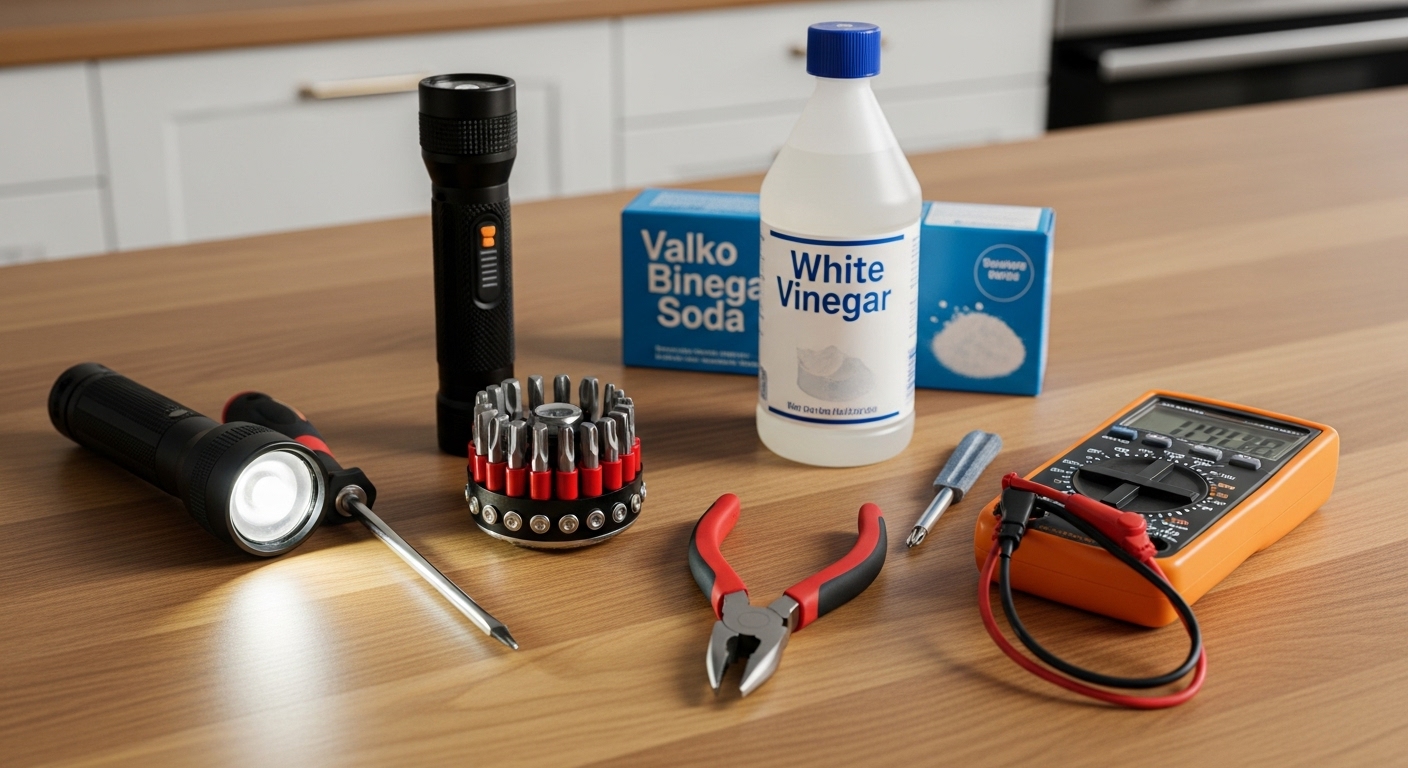
Common Refrigerator Issues and Quick Fixes
Now that you’ve got your first aid kit assembled, let’s dive into the most frequent refrigerator problems that can turn your kitchen into a disaster zone. Refrigerators are the workhorses of our kitchens, running 24/7 to keep our food fresh, so when they hiccup, it feels like an emergency. The good news is that many refrigerator issues are surprisingly simple to resolve with basic troubleshooting. Temperature problems are probably the most panic-inducing refrigerator issues. If your fridge isn’t cooling properly, start with the basics before calling for help. Check that the temperature settings haven’t been accidentally adjusted – it happens more often than you’d think, especially if you have curious kids or houseguests. Ensure the door seals are clean and intact by doing the dollar bill test: close a dollar bill in the door and try to pull it out. If it slides out easily, your seals might need cleaning or replacement. Clean the condenser coils on the back or underneath your unit – dusty coils make your fridge work harder and can cause cooling issues. Strange noises from your refrigerator can be alarming, but they’re often easily fixed. A rattling sound might indicate that your fridge isn’t level – use a carpenter’s level to check and adjust the feet accordingly. Gurgling sounds are usually normal as refrigerant flows through the system, but loud buzzing could mean the condenser coils need cleaning. If your ice maker sounds like it’s having a mechanical breakdown, check for ice jams and ensure the water supply line isn’t kinked. Water leaking inside the fridge often points to a clogged defrost drain, which you can usually clear with a mixture of hot water and baking soda poured down the drain tube. 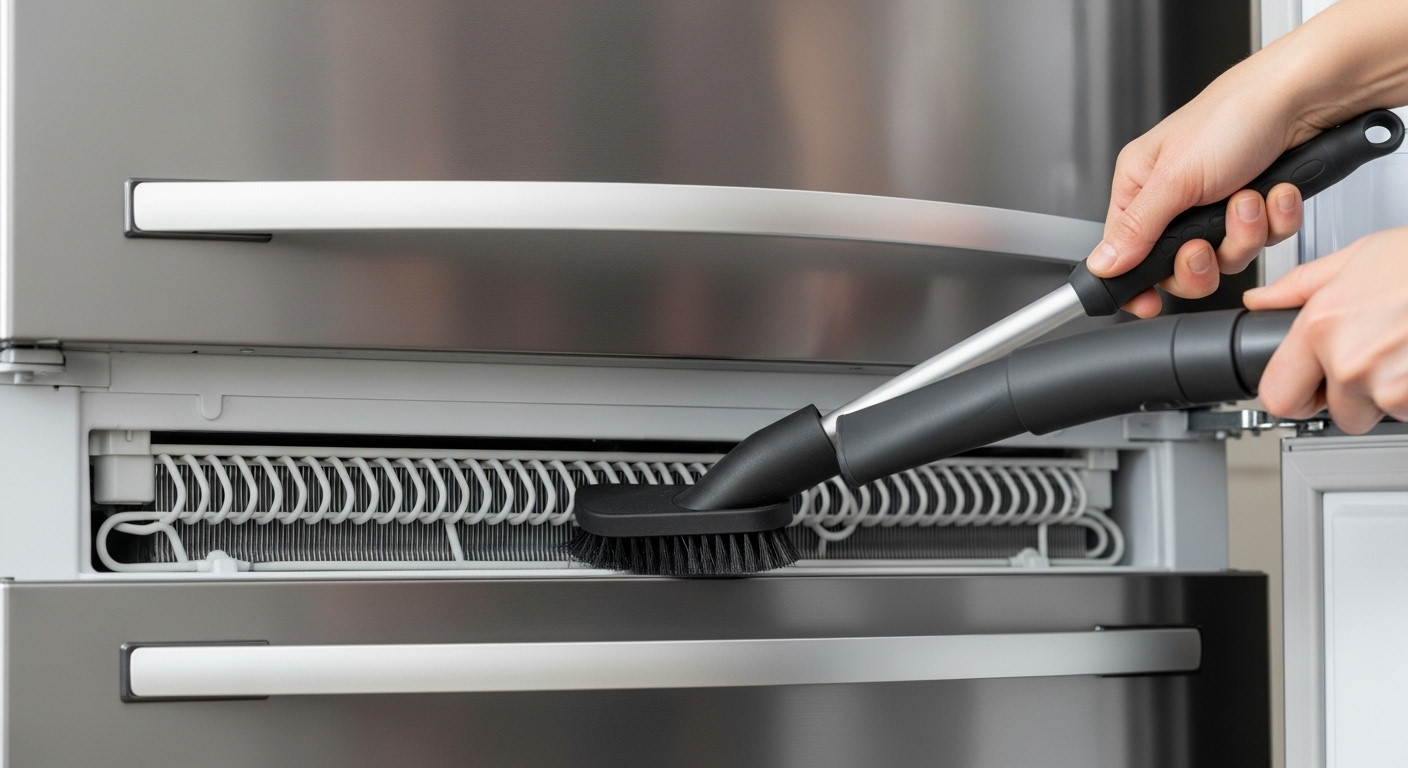
Dishwasher Troubleshooting Made Simple
Following our refrigerator fixes, dishwashers present their own unique set of challenges that can disrupt your daily routine. These kitchen helpers are designed to make our lives easier, but when they malfunction, they can create more work than hand-washing dishes. The key to successful dishwasher troubleshooting is understanding that most issues stem from clogs, improper loading, or simple mechanical problems. Drainage problems are the number one complaint homeowners have about their dishwashers. If you’re finding standing water at the bottom after a cycle, start by checking your garbage disposal if it’s connected to the same drain line – run the disposal to clear any blockages. Remove the bottom dish rack and take out the dishwasher filter (usually located at the bottom of the tub). Clean it thoroughly under hot running water with an old toothbrush to remove food particles and grease buildup. Check the spray arms for clogs by removing them and rinsing under hot water, using a toothpick to clear any holes that might be blocked. Poor cleaning performance often frustrates homeowners, but it’s usually fixable with some simple adjustments. Make sure you’re scraping dishes but not pre-rinsing them completely – modern dishwashers actually need some soil to activate the detergent properly. Load dishes according to manufacturer guidelines, ensuring water can reach all surfaces and nothing is blocking the spray arms. Check your water temperature at the kitchen sink – it should be between 120-125°F for optimal cleaning. If your dishes come out with white film or spots, you might need to adjust your rinse aid dispenser or check for hard water issues that require water softener salt replenishment. Unusual noises during operation can indicate several issues, but many are easily resolved. Grinding sounds might mean something has fallen into the chopper area – check for utensils, bones, or other debris. Squealing noises often indicate that the wash pump motor needs lubrication or replacement, which might require professional service. However, rattling sounds are usually caused by loose spray arms or improperly loaded dishes hitting each other during the wash cycle. 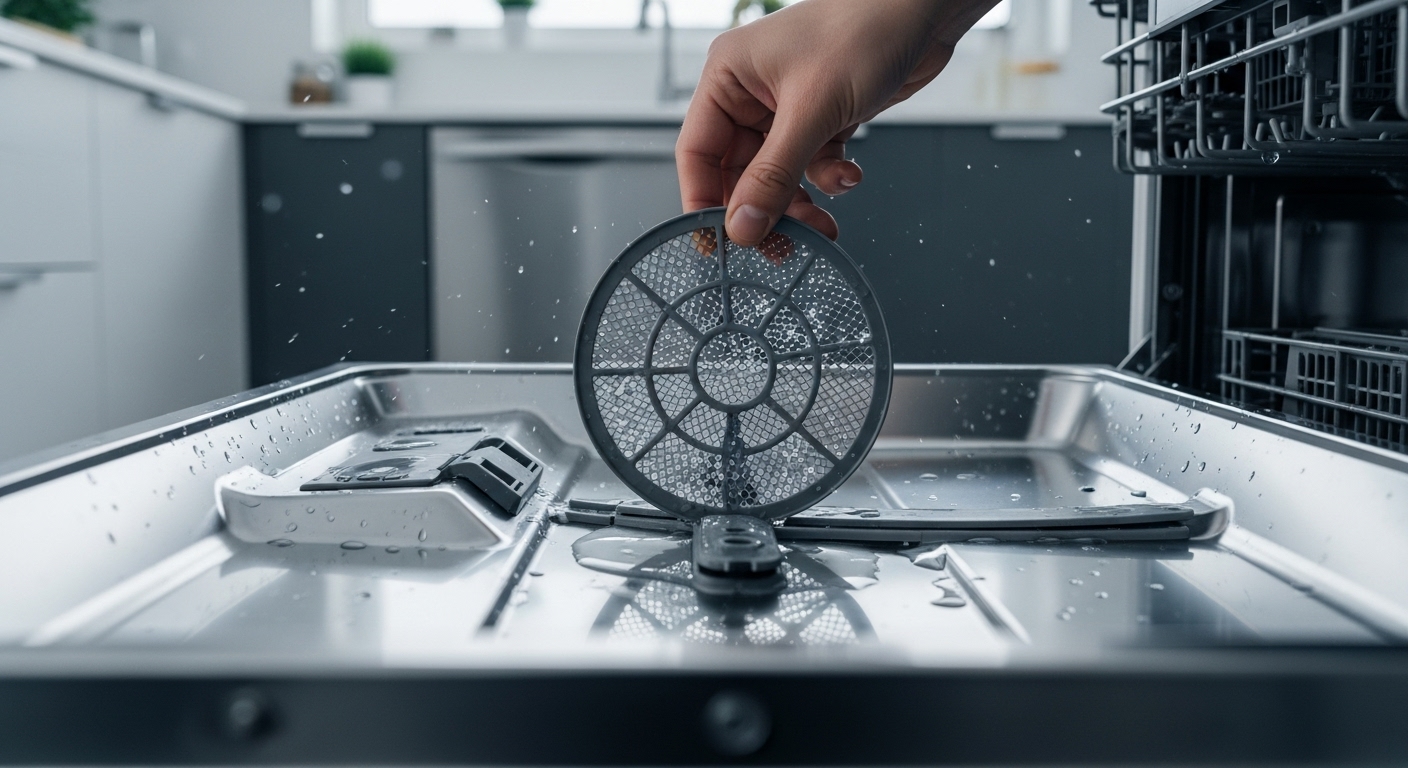
Washing Machine and Dryer Quick Solutions
Moving from kitchen appliances to laundry room heroes, washing machines and dryers present some of the most dramatic appliance failures homeowners experience. There’s nothing quite like discovering your washing machine has turned your laundry room into a small lake, or finding your dryer running for hours without actually drying anything. These machines work hard processing load after load, and understanding their common failure points can help you address issues quickly. Washing machine problems often manifest as water-related disasters. If your washer won’t drain, start by checking the drain hose for kinks or clogs – sometimes lint or small items can create blockages where the hose connects to your standpipe. Examine the lid switch if your washer won’t start; it’s a safety feature that prevents operation when the lid is open, and it can wear out over time. For front-loading washers, check the door seal for tears or objects caught in the gasket that might prevent proper sealing. If your washer is vibrating excessively, ensure it’s level and that shipping bolts were removed during installation – these bolts are meant to secure the drum during transport and will cause severe vibration if left in place. Dryer issues are often related to airflow restriction, which not only affects performance but can also create safety hazards. If your clothes aren’t drying properly, start with the lint filter – it should be cleaned after every load. Check the external vent where air exits your home; if you don’t feel strong airflow when the dryer is running, you likely have a blockage in the vent system. Clean the vent hose behind the dryer and ensure it’s not crushed or kinked. For gas dryers, make sure the gas supply valve is fully open and check that the pilot light is functioning properly if your model has one.
Safety First: When to Call the Professionals
As we’ve covered various DIY fixes, it’s crucial to recognize when appliance problems exceed the scope of safe DIY repairs. While I’m all for homeowner empowerment and saving money through self-reliance, some situations require professional expertise to ensure safety and prevent further damage. Knowing these boundaries can literally be the difference between a simple fix and a dangerous situation. Electrical issues should always raise red flags for DIY attempts. If you’re dealing with sparking, burning smells, or frequent circuit breaker trips when running an appliance, stop using it immediately and call a qualified technician. Gas-related problems in dryers, ranges, or water heaters require professional attention – never attempt to work on gas lines or connections yourself. Water leaks that involve plumbing connections or seem to originate from internal appliance components often require both appliance repair and potentially plumbing expertise. Refrigerant leaks in refrigerators, air conditioners, or heat pumps must be handled by certified technicians due to environmental regulations and safety concerns. Similarly, if your troubleshooting reveals that major components like motors, pumps, or control boards need replacement, the cost and complexity often make professional repair the smart choice. Modern appliances also have sophisticated electronic controls that require specialized diagnostic equipment to properly assess and repair.
Frequently Asked Questions
How often should I perform maintenance on my appliances to prevent breakdowns?
Most appliances benefit from monthly maintenance checks and seasonal deep cleaning. For refrigerators, clean the coils every six months and check door seals regularly. Dishwashers should have their filters cleaned monthly and a deep clean cycle run every few months. Washing machines need monthly tub cleaning cycles, while dryers require lint filter cleaning after every load and vent system inspection annually.
What are the most important tools to keep in an appliance first aid kit?
Essential tools include a basic screwdriver set, needle-nose pliers, a flashlight or headlamp, and a multimeter for electrical testing. Keep cleaning supplies like white vinegar, baking soda, and dish soap on hand, along with replacement items like fuses and basic filters. Don’t forget safety equipment including rubber gloves and safety glasses for protection during repairs.
When should I stop attempting DIY repairs and call a professional?
Stop DIY attempts immediately if you encounter electrical sparks, burning smells, gas leaks, or major water leaks. Complex electronic control issues, refrigerant problems, and situations requiring specialized tools or parts typically warrant professional service. If you’re uncomfortable with any repair step or unsure about safety procedures, it’s always better to call an expert rather than risk injury or further damage.
Wrapping Up
Building your appliance first aid kit and mastering these basic troubleshooting skills will serve you well throughout your homeownership journey. Remember that regular maintenance prevents most major breakdowns, and having the right tools and knowledge ready means you can tackle problems before they become expensive emergencies. When DIY solutions aren’t enough or safety concerns arise, don’t hesitate to call in professional help – sometimes the smartest fix is knowing when you’ve reached your limits. For residents throughout Mission, Dewdney, and surrounding areas who need expert appliance repair services, Dewdney Appliance Repair offers Red Seal certified technicians who can handle what your first aid kit cannot. With same-day and next-day appointments available and warranty service for major brands, professional help is just a phone call away when your DIY efforts need backup.
