
Planning to relocate your appliances in Mission but worried about throwing out your back wrestling with that stubborn refrigerator? Don’t worry – we’ve got the insider tips to help you move those heavy kitchen warriors safely and efficiently, keeping both your spine and your appliances intact throughout the journey. Moving day in Mission can feel like preparing for battle, especially when you’re staring down a lineup of appliances that seem determined to make your life difficult. I learned this the hard way during my first apartment move in Silverdale – what I thought would be a simple “grab and go” operation with my washing machine turned into a three-hour ordeal that left me questioning my life choices and nursing a sore back for weeks. The truth is, appliances are like that friend who looks harmless but packs a serious punch when you least expect it. Whether you’re relocating within the charming neighborhoods of Silverdale, making the move to bustling West Central, or settling into the family-friendly streets of Hatzic Prairie, your appliances need special attention during the moving process. These heavy, awkwardly-shaped machines require more than just muscle – they demand strategy, preparation, and the right approach to ensure they arrive at your new home in working condition.
Key Outtakes:
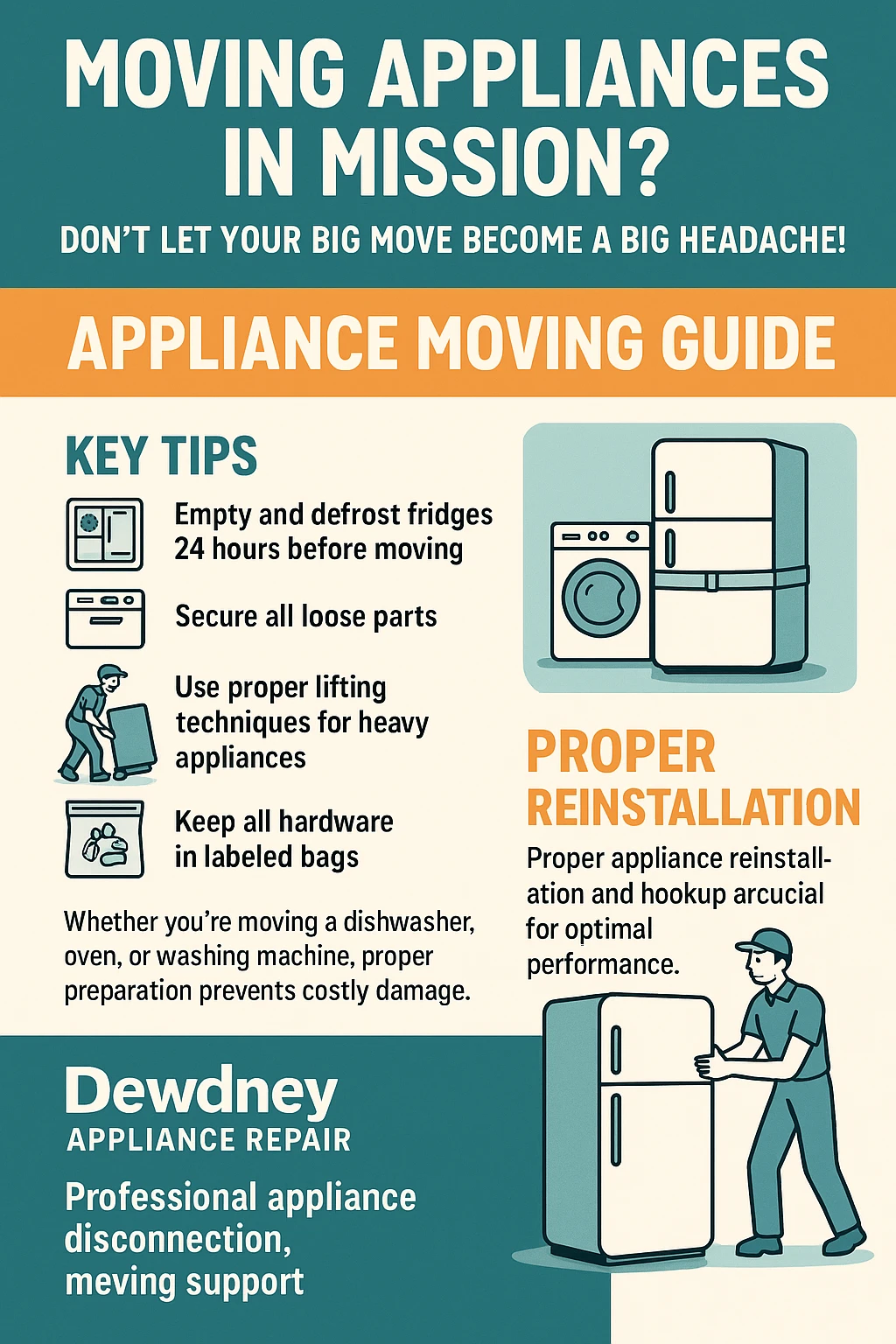
- Never attempt to move large appliances without proper equipment like dollies and moving straps – your back will thank you later
- Disconnect and drain all appliances 24 hours before moving day to prevent water damage and internal component issues
- Always keep refrigerators and washers upright during transport to protect delicate internal mechanisms
- Use furniture sliders and moving blankets to protect your floors and appliance surfaces from scratches and dents
- Plan your pathway in advance and measure doorways to avoid last-minute surprises that could damage your home or appliances
Understanding the Appliance Moving Challenge
Moving appliances isn’t just about lifting heavy objects – it’s about understanding that each machine has its own personality and requirements. Think of your refrigerator as a delicate giant that needs to stay upright to keep its internal fluids properly settled, while your washing machine is like that friend with a lot of baggage (literally) that needs special bolts to keep everything secure during the journey.
The biggest mistake I see homeowners make is underestimating these machines. A standard refrigerator can weigh anywhere from 200 to 400 pounds, and that’s before you factor in the awkward shape and protruding handles that seem designed to catch on every doorframe. Your washing machine might look sturdy, but its internal drum can shift during transport, causing expensive damage if not properly secured.
The key to successful appliance moving lies in preparation and respect for the process. These aren’t just heavy boxes – they’re complex machines with delicate internal components, fluid systems, and electrical connections that require careful handling. Professional moving services understand these nuances, but if you’re tackling this yourself, you need to approach it with the same level of care and attention to detail.
Essential Preparation Steps
The foundation of any successful appliance move starts 24 to 48 hours before the moving truck arrives. This preparation phase is where you can make or break your moving day experience, and trust me, cutting corners here will come back to haunt you when you’re trying to maneuver a waterlogged washing machine through your hallway.
Start by creating a detail inventory of all your appliances and their specific requirements. Your refrigerator needs to be completely defrosted and dried, which means removing all food, unplugging the unit, and leaving the doors open to air out. For washing machines and dishwashers, you’ll need to disconnect water lines and run a final cycle to ensure all water is drained from internal components.
Don’t forget about the small details that can cause big problems. Remove all shelves, drawers, and loose components from inside your appliances and pack them separately. These items can become projectiles during transport, damaging the interior of your machines. Secure all doors with moving tape, but use painter’s tape or stretch wrap to avoid leaving sticky residue on your appliance surfaces.
Gathering the Right Tools and Equipment
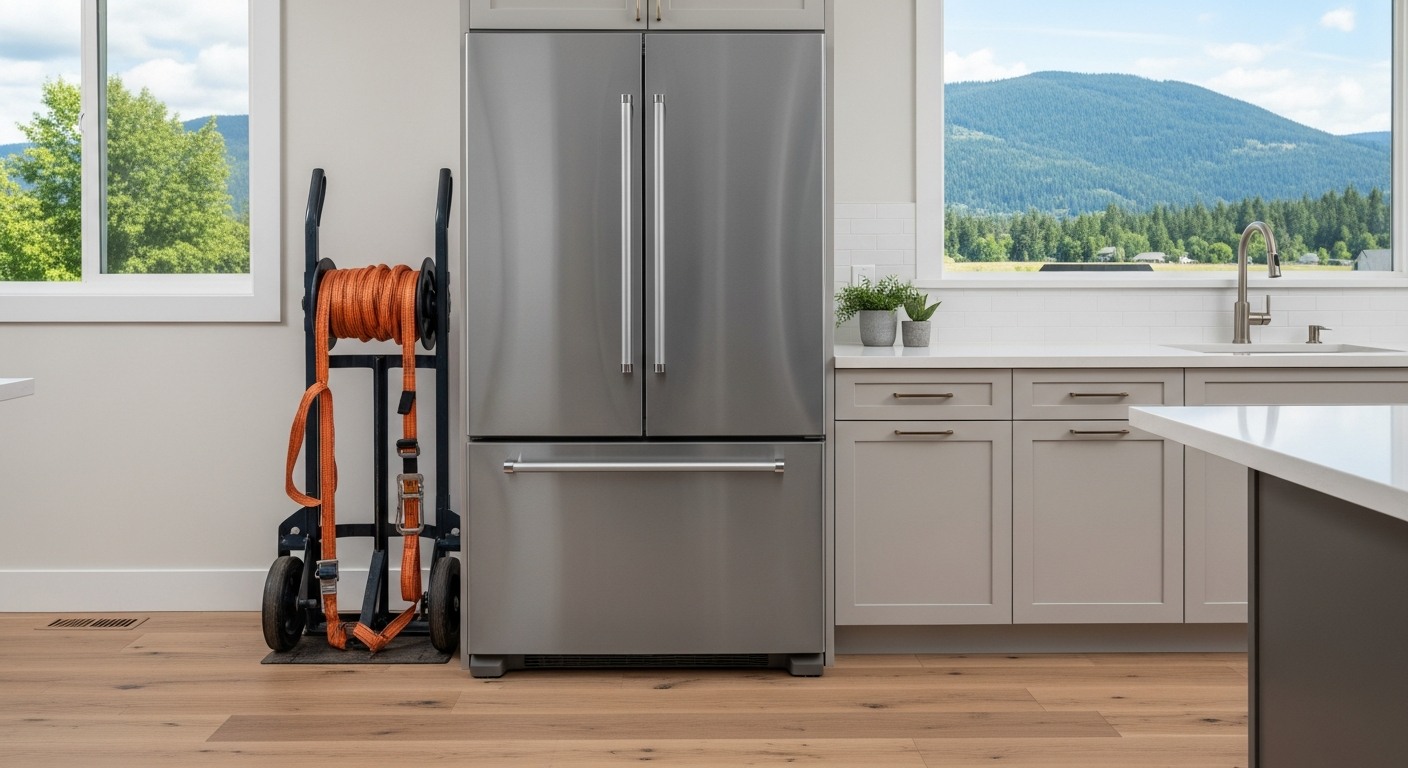
Having the proper equipment isn’t just about making the job easier – it’s about keeping everyone safe and protecting your valuable appliances. An appliance dolly is absolutely non-negotiable for moving large units. Regular furniture dollies won’t cut it because they lack the stability and strapping systems needed for tall, heavy appliances.
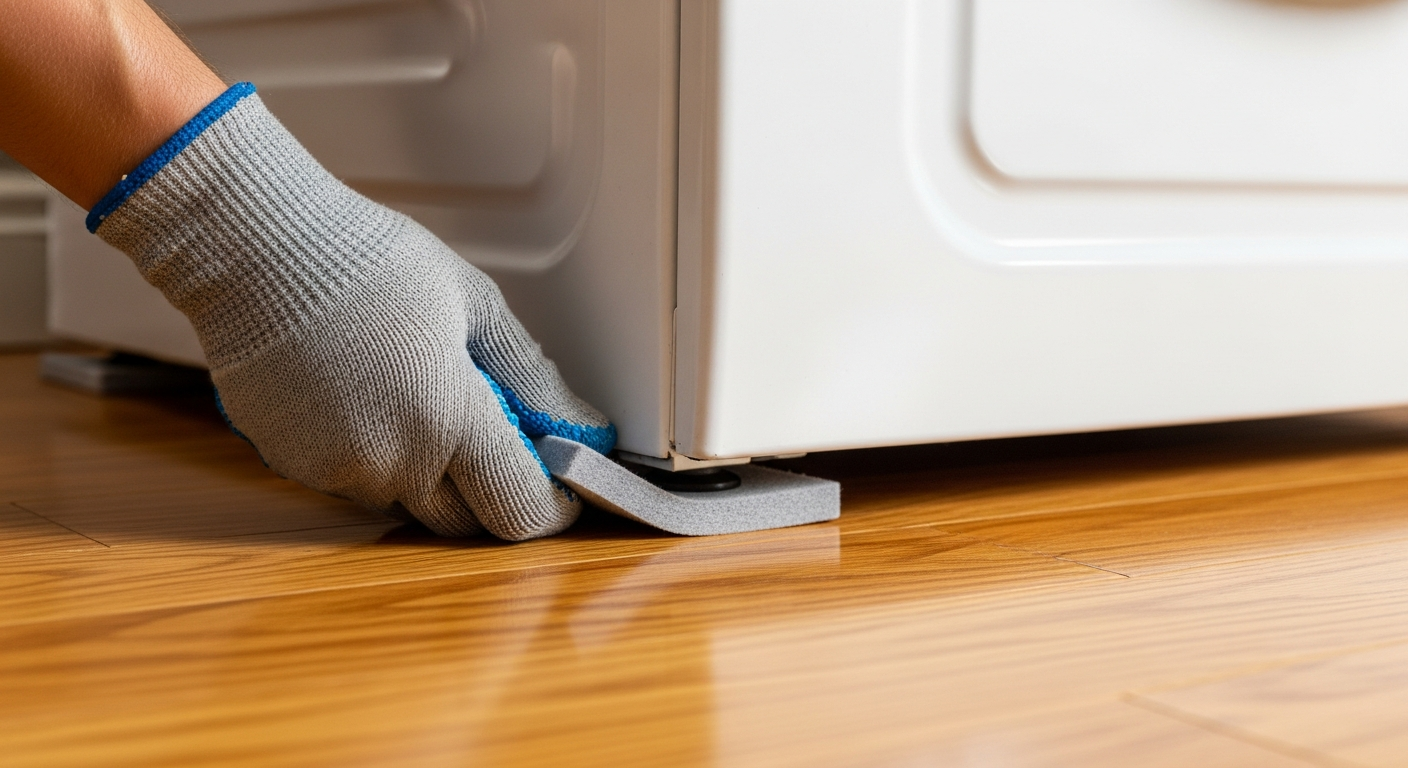
Furniture sliders are your secret weapon for protecting floors, especially if you’re moving through the beautiful hardwood homes common in Mission’s established neighborhoods. These simple devices can save you hundreds of dollars in floor repairs and make the initial positioning of your dolly much easier. Moving straps help distribute weight evenly and give you better control during the lifting process.
Safe Moving Techniques
Now comes the moment of truth – actually moving these behemoths without injury or damage. The most important rule to remember is that appliances must remain upright during transport, especially refrigerators and washing machines. Tipping a refrigerator on its side can cause compressor oil to leak into cooling lines, potentially ruining the entire unit.
When positioning your dolly, slide it as far under the appliance as possible and center it under the unit’s center of gravity. This is usually toward the back and bottom of most appliances. Use the dolly’s straps to secure the appliance tightly – it should feel like one solid unit when you’re ready to move.
The actual moving process requires patience and communication if you’re working with helpers. One person should guide from behind while another clears the path and manages doors. Take your time navigating corners and doorways, and don’t be afraid to remove doors (both room doors and appliance doors) if space is tight.
Protecting Your Home During the Move
Your Mission home’s floors, walls, and doorframes need protection during appliance moving. Lay down thick cardboard or moving blankets along your planned route, paying special attention to corners where the dolly might swing wide. If you’re moving through areas with low-hanging light fixtures or ceiling fans, map out your route in advance to avoid costly accidents.
For homes with narrow hallways or tight staircases – common in some of Mission’s older neighborhoods – consider alternative routes like patio doors or large windows. Sometimes the longer path outside is actually safer and easier than trying to navigate challenging interior spaces.
Loading and Transport Considerations
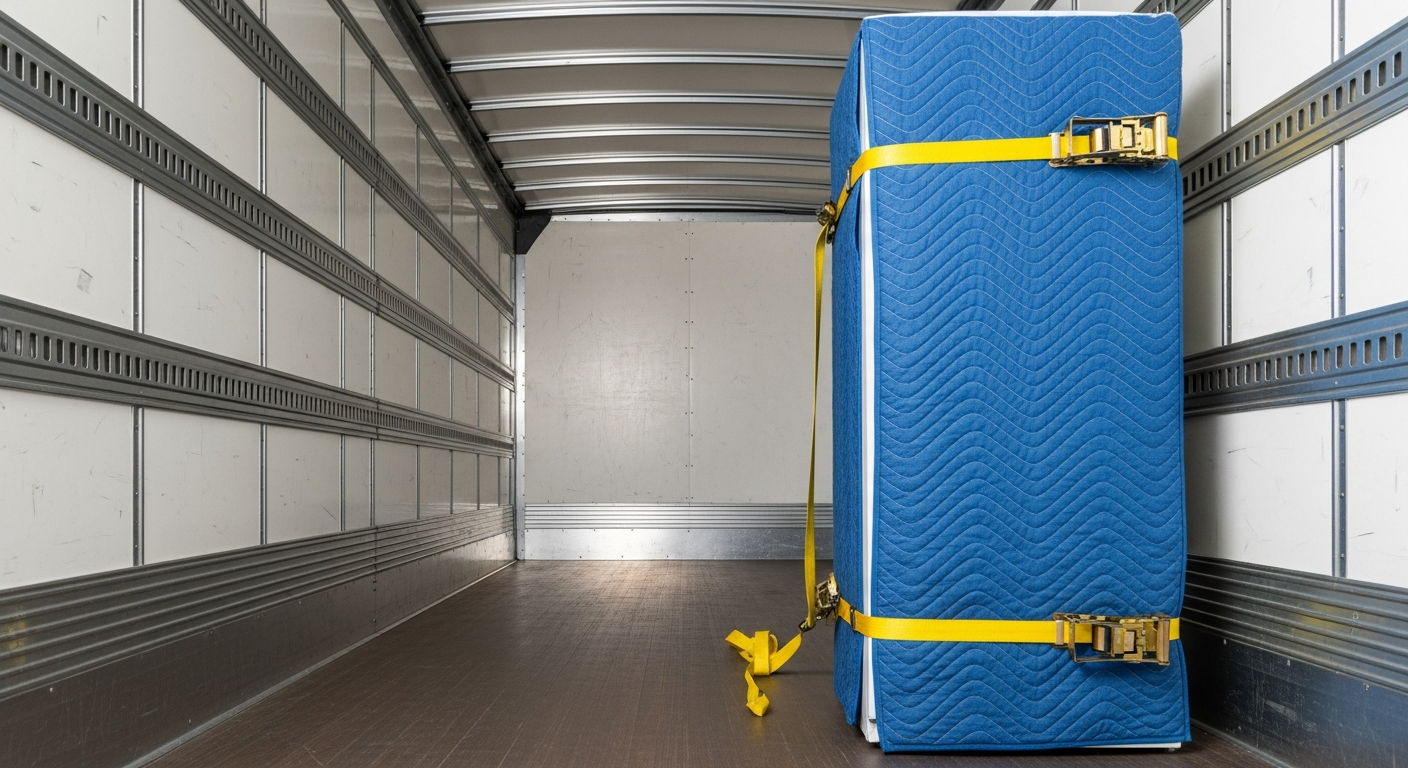
Getting your appliances to the moving truck safely is only half the battle – proper loading and securing in the vehicle is equally crucial. Large appliances should always be loaded first and positioned against the front wall of the truck bed, near the cab. This placement provides the most stability and prevents the appliances from shifting during transport.
Use additional moving straps or rope to secure appliances to the truck’s anchor points. The goal is to eliminate any possibility of movement during the drive to your new home. Even small shifts can cause internal damage to delicate components, especially in washing machines and refrigerators.
If you’re making a long-distance move from Mission to another city, consider the climate conditions during transport. Extreme temperatures can affect some appliances, and you’ll want to allow extra settling time before reconnecting and powering up your machines in their new location.
Special Considerations for Different Appliance Types
Each type of appliance has unique requirements that can make or break your moving experience. Refrigerators are particularly sensitive to positioning and need at least 4-6 hours of upright settling time before being plugged in after a move. This waiting period allows internal fluids to settle back into their proper locations.
Gas appliances like stoves and dryers require professional disconnection and reconnection for safety reasons. Don’t attempt to handle gas lines yourself – the potential for leaks or explosions isn’t worth the money you might save on professional service. Many neighborhoods in Mission have strict codes about gas appliance installation that require licensed technician involvement.
Post-Move Setup and Testing
Once your appliances arrive at your new Mission home, resist the temptation to immediately plug everything in and start using them. Each appliance needs time to acclimate to its new environment and settle after the journey. This patience now can prevent expensive repair bills later.
Start with a thorough inspection of each appliance for any obvious damage that might have occurred during transport. Check for dents, scratches, or loose components that might need attention before the first use. If you notice any issues, document them immediately with photos – this information could be important for insurance claims or moving company disputes.
When you do begin reconnecting your appliances, follow manufacturer guidelines carefully. Water lines need to be reconnected securely to prevent leaks, and electrical connections should be checked for proper grounding. Run test cycles on washing machines and dishwashers with no clothes or dishes to ensure everything is working properly.
Frequently Asked Questions
How long should I wait before using my refrigerator after moving?
Wait at least 4-6 hours before plugging in your refrigerator, or overnight if it was tilted during the move. This settling time allows internal fluids to return to their proper positions and prevents potential compressor damage. The wait might seem long, but it’s much shorter than waiting for a repair technician or buying a replacement refrigerator.
Can I move appliances myself or should I hire professionals?
While it’s possible to move appliances yourself with proper preparation and equipment, hiring professionals is often the safer choice. Professional movers have the experience, tools, and insurance to handle these valuable and heavy items safely. Consider your physical capabilities, the complexity of your home’s layout, and the value of your appliances when making this decision.
What’s the biggest mistake people make when moving appliances?
The most common mistake is not properly draining water from appliances before the move. Water left in washing machines, dishwashers, or refrigerator lines can cause significant damage during transport, leading to leaks, mold growth, or mechanical failures. Always follow proper disconnection procedures and allow adequate drying time.
Wrapping Up
Successfully moving appliances in Mission requires patience, preparation, and respect for both the process and your own physical limitations. With proper planning, the right equipment, and careful execution, you can relocate your appliances safely and efficiently. Remember that taking shortcuts during appliance moving often leads to expensive consequences that far outweigh the time and effort saved.
When the task feels overwhelming or you’re dealing with particularly valuable or complex appliances, don’t hesitate to contact the professionals at Dewdney Appliance Repair. Our team understands the intricacies of appliance care and can provide expert guidance on proper moving techniques or help with post-move setup and testing to ensure your machines are ready for years of reliable service in your new Mission home.
