
Wondering how to prep your appliances for Mission’s unpredictable winter weather? Let’s dive into the essential winter-proofing tips that’ll keep your home running smoothly when the temperature drops and the storms roll in. Picture this: it’s the middle of February, the snow is falling harder than a TikToker’s latest dance trend, and your heating system decides to take an unscheduled vacation. Trust me, I’ve been there, and it’s about as fun as assembling IKEA furniture with your eyes closed. That’s exactly why I’m here to spill all the tea on getting your appliances winter-ready before Mother Nature decides to test their limits. Winter in Mission BC isn’t just about cozy sweaters and hot chocolate – it’s a full-contact sport for your home’s appliances. From furnaces working overtime to water heaters fighting the freeze, every piece of equipment in your home faces unique challenges during our chilly months.
Key Outtakes:
- Winter appliance prep prevents costly emergency repairs during peak season
- Simple DIY maintenance tasks can significantly extend your appliances’ lifespan
- Professional inspections catch potential problems before they become major headaches
- Proper winterization saves money on energy bills throughout the cold months
- Emergency preparedness keeps your family safe and comfortable during power outages
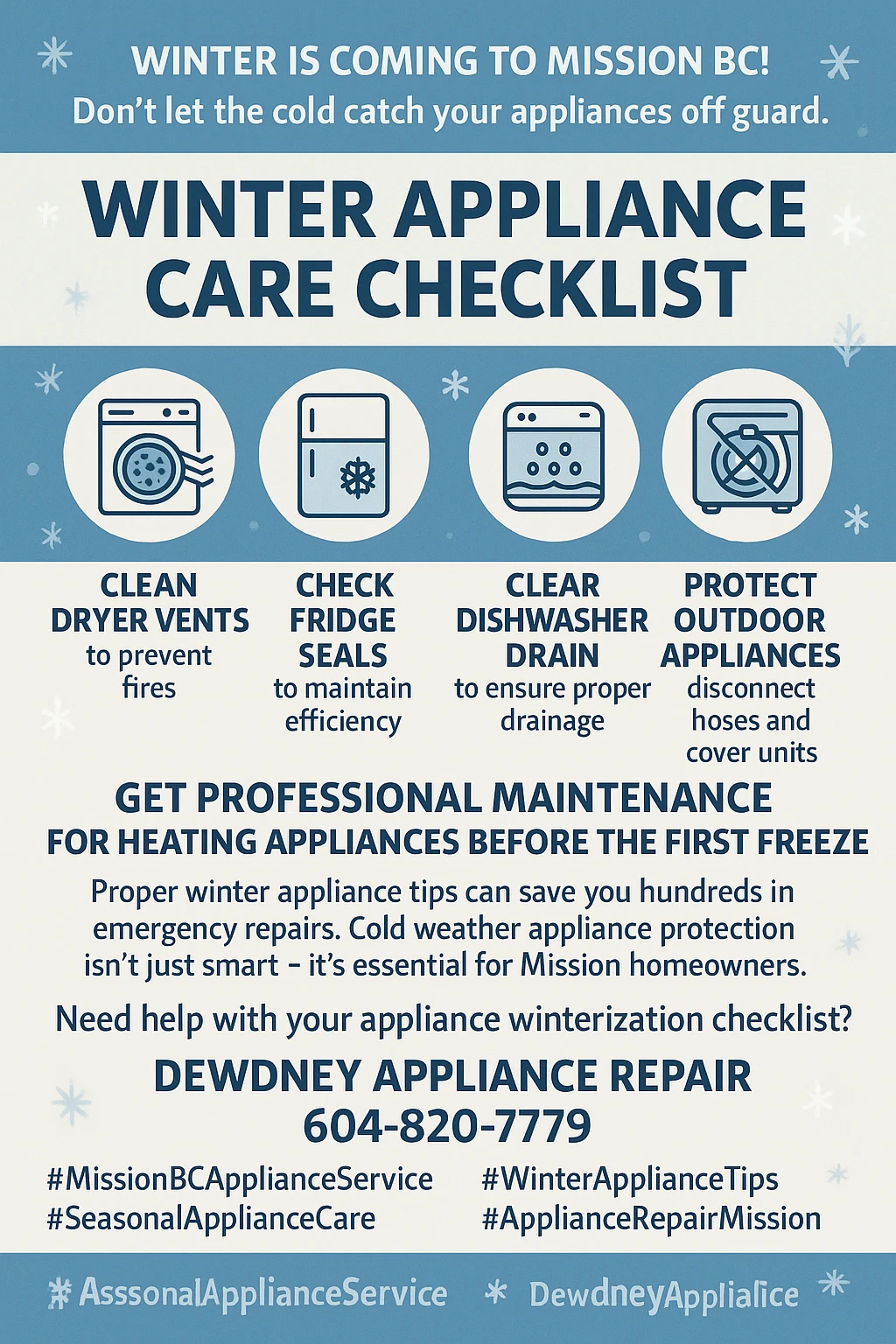
Winter Appliance Maintenance Essentials
Let’s get real about winter appliance maintenance – it’s like giving your home a warm hug before the cold weather hits. When temperatures drop in Mission, your appliances work harder than a barista during morning rush hour. This extra strain means they need some serious TLC to keep performing at their best. Your heating system becomes the MVP of winter comfort, but it can’t deliver championship performance without proper preparation. A well-maintained furnace or heat pump doesn’t just keep you warm – it keeps your energy bills from skyrocketing like a SpaceX launch. Regular maintenance also prevents those dreaded midnight breakdowns when you need heat the most. Water heaters face their own winter challenges, working overtime to deliver hot showers when the pipes are practically begging to freeze. Meanwhile, your refrigerator might seem like it gets a break during cold weather, but indoor heating systems actually make it work harder to maintain optimal temperatures.
Essential HVAC System Preparation
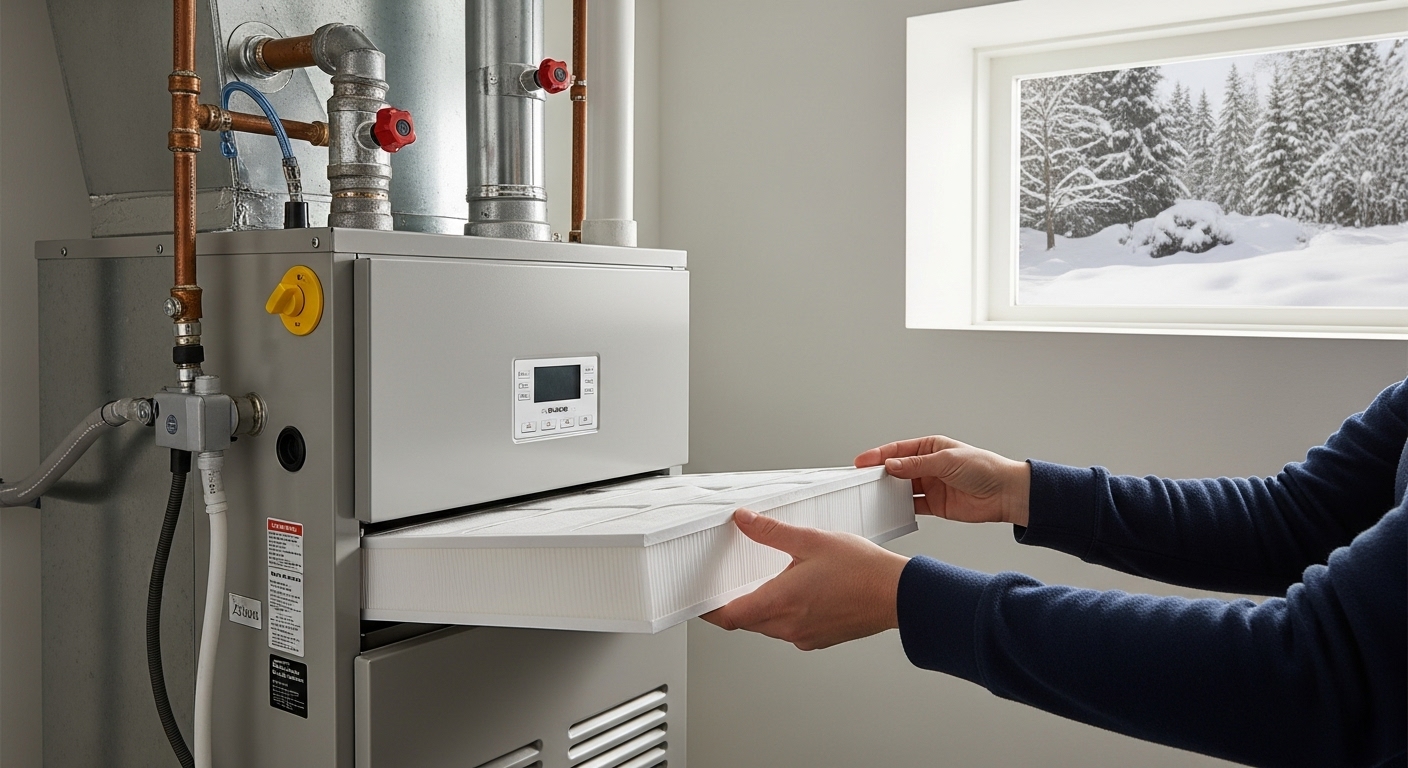 Building on those maintenance basics, your HVAC system deserves VIP treatment before winter arrives. Think of it as your home’s respiratory system – when it’s not working properly, everything else suffers. The beauty of proactive HVAC care is that most tasks are surprisingly straightforward, even for those of us who struggle to change a lightbulb without consulting YouTube. Start with your furnace area, which probably looks like a forgotten storage closet right now. Clear away any accumulated junk – those holiday decorations can find a new home elsewhere. Your furnace needs breathing room, literally. Use a vacuum to clean the blower compartment, removing dust bunnies that have been plotting world domination since last spring. This simple task dramatically improves air circulation and helps your system run more efficiently. Your outdoor air conditioning unit needs attention too, even though it won’t be cooling your space anytime soon. Remove debris, leaves, and anything else that’s made itself at home around the unit. Give the fan blades a gentle cleaning and inspect the coils for damage. This seasonal cleaning prevents corrosion and sets you up for smooth sailing when summer returns. Listen to your heating system like you’re trying to decode your favorite playlist. Run it for about an hour and pay attention to unusual sounds – knocking, grinding, or rattling noises are red flags that need immediate attention. If your house doesn’t warm up after an hour of operation, that’s another sign something’s not right.
Water System Winterization
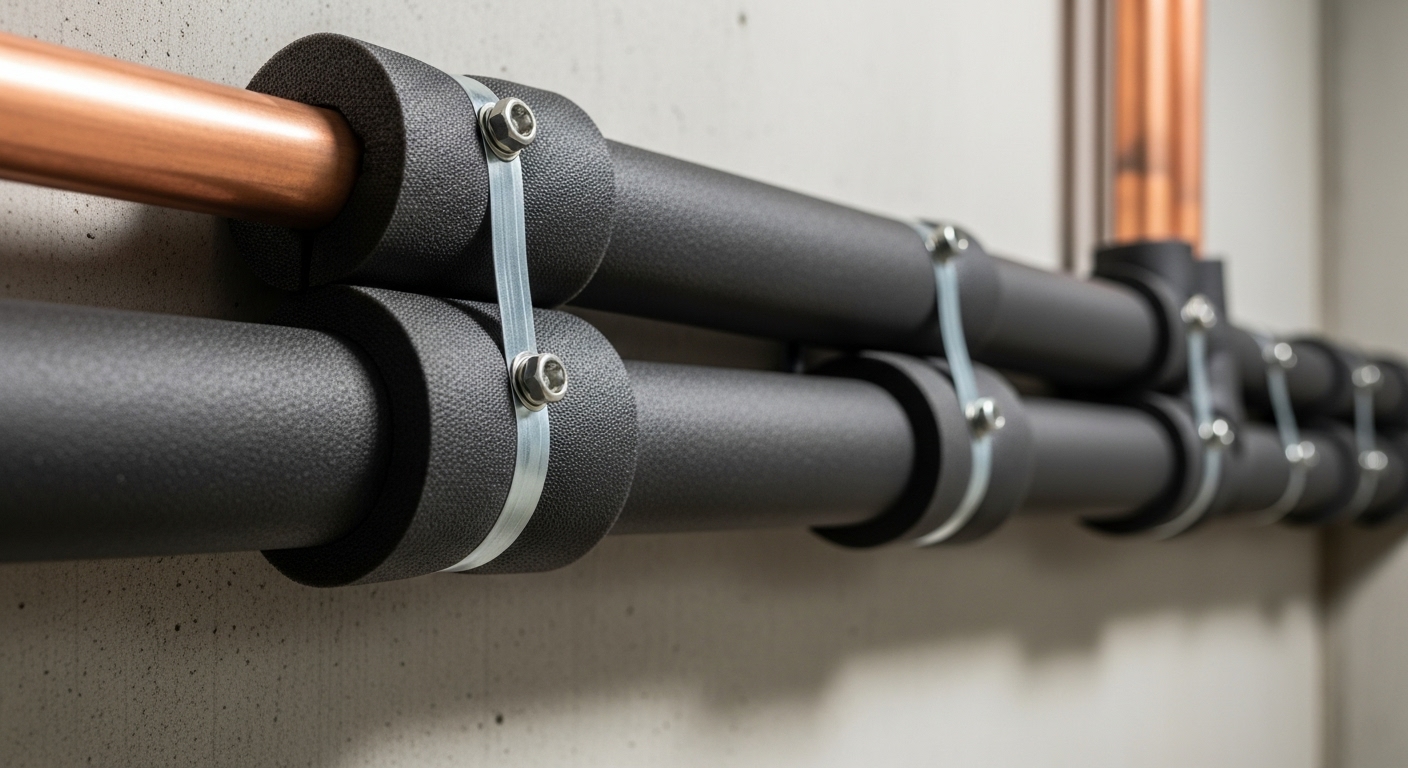 Moving from heating systems to water management, winter water preparation is where many homeowners drop the ball faster than a buttery smartphone. Your hot water heater is about to become your best friend, working overtime to deliver comfort during those bone-chilling Mission mornings. Getting this system winter-ready isn’t just about comfort – it’s about preventing expensive disasters. Set your water heater temperature to 48 degrees Celsius (120 degrees Fahrenheit) for the perfect balance of safety and efficiency. This temperature prevents scalding while ensuring you get satisfyingly hot showers without wasting energy. If you’re noticing lukewarm water during winter, a small adjustment of 5-10 degrees can make all the difference. However, temperature fluctuations often signal a faulty thermostat that needs professional attention. Don’t forget about your pipes – they’re the unsung heroes of your water system. Insulate exposed pipes in crawl spaces, basements, and garages where freezing temperatures can cause major problems. Pipe insulation is cheaper than a plumber’s emergency visit, trust me on this one. Consider letting faucets drip slightly during extreme cold snaps to keep water moving and prevent freezing. Check your outdoor faucets and shut off interior water valves that supply them. Drain these exterior lines completely to prevent freeze damage. This simple winterization step can save you from dealing with burst pipes and water damage when spring arrives.
Appliance-Specific Winter Care
Now that we’ve covered the major systems, let’s talk about giving your individual appliances the royal treatment they deserve. Each appliance has its own winter personality – some love the cold, others throw tantrums, and a few need constant reassurance that everything’s going to be okay. Your refrigerator actually works harder during winter because indoor heating systems create temperature fluctuations throughout your home. Clean the condenser coils on the back or bottom of your fridge – they collect dust faster than your favorite black shirt collects lint. These coils help your refrigerator release heat efficiently, and clean coils mean lower energy bills. Check door seals for wear and tear, ensuring they create a tight seal that keeps cold air where it belongs. Your dryer becomes a winter workhorse, handling heavier loads of bulky sweaters and coats. Clean the lint filter after every load – seriously, every single time. Winter clothes shed more fibers, and lint buildup is a fire hazard that’s completely preventable. Check your dryer vent outside too, making sure it’s not blocked by snow or ice. A blocked vent forces your dryer to work harder and creates a backup that could damage your appliance.
Kitchen Appliance Winter Prep
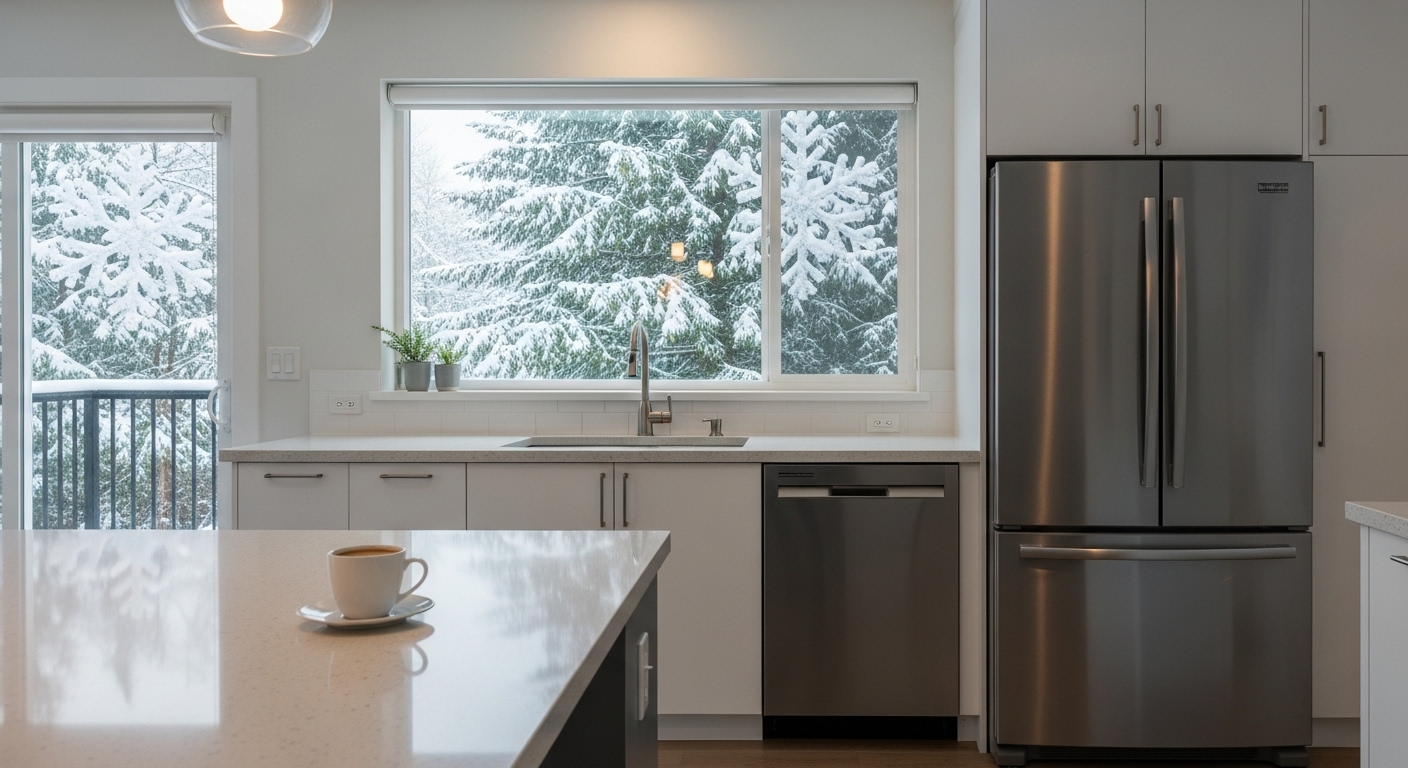 Your dishwasher faces unique winter challenges with increased holiday entertaining and comfort food cooking. Clean the filter at the bottom of the tub – it probably looks grosser than you’d expect. Check spray arms for clogs and wipe down door seals. Winter’s lower humidity can cause rubber seals to dry out and crack, leading to leaks. Your oven and stovetop will see heavy action during winter months with hearty meals and holiday baking marathons. Clean burner orifices and test all heating elements. If you have a gas range, ensure burners light evenly and burn with blue flames. Yellow flames indicate incomplete combustion and potential safety issues.
Energy Efficiency and Cost Savings
Taking our appliance care discussion further, winter energy efficiency is where smart preparation pays real dividends in your wallet. It’s like getting a discount on comfort – who doesn’t love that? The secret sauce lies in understanding how winter weather affects your appliances’ energy consumption and taking steps to optimize their performance. Your home’s insulation plays a huge role in appliance efficiency. Poor attic insulation forces your heating system to work overtime, like trying to fill a bathtub with the drain open. Check if your insulation is level with or below floor joists – if so, adding more insulation could dramatically reduce your energy bills. When joists are completely covered, you’re likely in good shape for efficient heating. Programmable thermostats are winter game-changers, automatically adjusting temperatures when you’re sleeping or away from home. Even a few degrees of adjustment can result in significant savings without sacrificing comfort. Think of it as having a personal assistant who remembers to adjust your heating so you don’t have to. Smart power strips help combat phantom energy loads – those sneaky electronics that draw power even when turned off. During winter when overall energy consumption peaks, every bit of efficiency counts. Professional energy audits can identify specific areas where your home is losing efficiency and costing you money.
Emergency Preparedness Planning
Building on energy efficiency, emergency preparedness transforms from nice-to-have to absolutely essential during Mission’s unpredictable winter weather. Power outages don’t send advance notices, and being prepared means the difference between riding out a storm comfortably versus camping indoors against your will. Create an emergency kit specifically for appliance-related issues. Include flashlights, batteries, a battery-powered radio, and basic tools for minor repairs. Keep important phone numbers handy – your utility company, appliance repair services, and emergency contacts. A charged power bank for your phone is worth its weight in hot chocolate during an extended outage. Know where your main water shut-off valve is located and how to operate it. Frozen or burst pipes can cause thousands of dollars in damage, but quick action can minimize problems. Similarly, know how to safely shut off gas lines if you smell gas or suspect a leak. These aren’t skills you want to learn during an emergency. Consider backup heating options like a generator or alternative heating source, but only use equipment designed for indoor use. Carbon monoxide poisoning is a real danger with improper heating equipment. Install carbon monoxide detectors if you don’t already have them – they’re inexpensive insurance policies for your family’s safety.
Professional Maintenance Services
While DIY maintenance covers a lot of ground, professional services provide the deep expertise that keeps your appliances running like clockwork. Think of professional maintenance as having a personal trainer for your appliances – they know exactly how to push for optimal performance without causing injury. Professional HVAC inspections catch problems that aren’t visible during casual observation. Technicians can identify worn components, test system efficiency, and perform adjustments that require specialized knowledge and tools. They also handle tasks like checking gas connections and electrical components that are better left to trained professionals for safety reasons. Appliance manufacturers often require professional maintenance to maintain warranty coverage. Skipping professional service might save money upfront but could void your warranty protection when you need it most. Professional technicians also spot patterns and potential issues based on experience with hundreds of similar systems. Regular professional maintenance often includes cleaning and adjustments that extend appliance lifespan significantly. A well-maintained furnace can last 15-20 years, while neglected systems might need replacement after 10-12 years. The math is simple – professional maintenance costs much less than premature replacement.
Frequently Asked Questions
How often should I change my furnace filter during winter?
During peak winter months, check your furnace filter monthly and replace it every 1-3 months depending on usage and filter type. Homes with pets, allergies, or high dust levels need more frequent changes. A dirty filter forces your system to work harder and can cause equipment damage.
What temperature should I keep my home when away during winter?
Never let your home temperature drop below 15°C (60°F) when away, even for extended periods. This prevents pipe freezing while still saving energy. Programmable thermostats can automatically adjust temperatures based on your schedule, optimizing comfort and efficiency.
How can I tell if my water heater is ready for winter demands?
Test your water heater by running hot water at multiple fixtures simultaneously. If temperature drops quickly or recovery is slow, your system might need professional attention. Strange noises, rusty water, or visible leaks are also signs that service is needed before winter peaks.
Should I cover my outdoor air conditioning unit for winter?
Light covering of the top prevents debris accumulation, but avoid completely wrapping the unit as this can trap moisture and cause corrosion. Ensure any covering allows airflow and doesn’t create hiding spots for small animals seeking winter shelter.
Wrapping Up
Winter-proofing your appliances isn’t just about preventing problems – it’s about creating a warm, efficient, and reliable home environment that supports your family through Mission’s challenging winter months. From simple DIY maintenance tasks to professional inspections, every step you take now prevents costly emergencies and ensures optimal performance when you need it most. When you need professional appliance maintenance or repair services in Mission BC, Dewdney Appliance Repair brings Red Seal certified expertise to your home with same-day and next-day appointments. We’re manufacturer-approved for major brands like Samsung, LG, Whirlpool, and more, serving Mission and surrounding areas including Maple Ridge, Fraser Heights, Chilliwack, and Langley with reliable warranty-backed service you can trust.
