
The Appliance Warranty Decoder: Mission Homeowner Guide
Confused about what your appliance warranty actually covers when your refrigerator starts making strange noises? You’re about to discover why that “comprehensive protection” might leave you with a hefty repair bill and what Mission homeowners really need to know about warranty coverage.Picture this: you’re enjoying a quiet evening in your Silverdale home when your dishwasher suddenly starts leaking all over your kitchen floor. You breathe a sigh of relief remembering that extended warranty you bought, only to discover three weeks later that salt air corrosion isn’t covered under your plan. This scenario plays out constantly across Mission, leaving homeowners frustrated and financially stressed when they need help most.The truth about appliance warranties is far more complex than the sales pitch you received at the store. Whether you live in the heritage charm of Silverdale, the family-friendly neighborhoods of West Heights, or anywhere else in Mission, understanding warranty limitations could save you thousands of dollars in unexpected repair costs.
Key Outtakes:
- Manufacturer warranties typically last only 1 year and exclude common issues like wear and tear, accidental damage, and environmental factors especially relevant in coastal BC
- Extended warranties cost an average of $126 for large appliances but provide minimal value compared to setting aside repair funds independently
- 40% of warranty claims face denial or delays due to documentation issues, missing maintenance records, or exclusions most homeowners don’t understand
- Home warranty plans cost $500-600 annually plus service fees, yet emergency repairs can still take weeks even during extreme weather conditions
- The “50% replacement rule” suggests that if repair costs exceed half the appliance’s current value, replacement becomes more economical than fixing
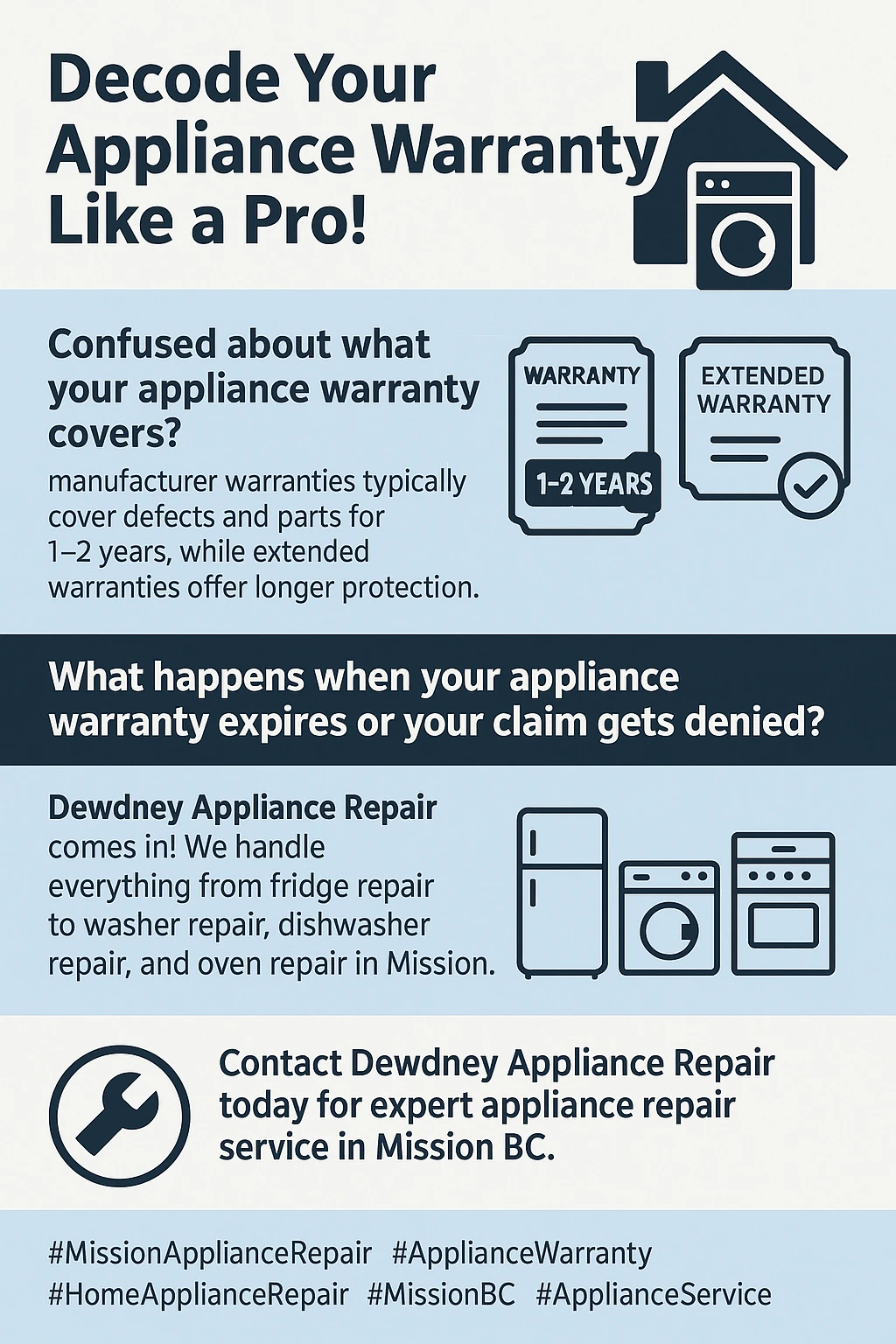
What Your Manufacturer’s Warranty Actually Covers
 When you unpack that shiny new range or washing machine, the warranty paperwork probably gives you a false sense of security about your investment. Most homeowners never actually read these documents until they’re staring at a broken appliance and a repair estimate that makes their wallet hurt. Here’s the reality behind manufacturer warranty coverage that every Mission resident needs to understand.Most home appliances include only a one-year manufacturer warranty covering defects in materials and workmanship. This means if your appliance fails due to a manufacturing flaw within the first twelve months, you’re typically covered for both parts and labor costs. However, that critical phrase “manufacturing flaw” represents a much narrower category than most people realize, and it’s where many warranty claims hit their first roadblock.The warranty protection also restricts coverage to the original purchaser who made the initial transaction. If you bought your Silverdale home from someone who recently installed new kitchen appliances, those warranties likely won’t transfer to you as the new homeowner. This creates a common misconception where new residents assume they have warranty protection on relatively new appliances, only to discover they’re personally responsible for any repair costs that arise.
Commercial Use and Geographic Restrictions
Commercial use restrictions catch many homeowners completely off guard, especially those running home-based businesses. If you operate a daycare, run a catering business, or rent your property as a vacation rental, warranty coverage may become void due to “commercial use” clauses. Even something as simple as running a home daycare that requires frequent dishwasher or laundry machine use could potentially eliminate your coverage entirely.Geographic limitations also impact residents in more remote areas around Mission and the Fraser Valley. Some manufacturers require repairs to be performed exclusively by authorized service providers, but if the nearest authorized technician operates hours away, you might face significant delays or additional transportation charges that the warranty doesn’t cover. This becomes particularly problematic during winter months when emergency repairs are needed quickly.The transferability issue becomes especially relevant in Mission’s active real estate market. When homes change hands frequently, new owners often discover that relatively new appliances lack warranty protection, leaving them vulnerable to expensive repair bills they never anticipated when making their purchase decisions.
The Hidden Exclusions That Could Cost You Thousands
 Now that you understand the basic limitations, let’s dive into the specific exclusions that turn warranty coverage into an expensive lesson in fine print reading. These exclusions represent where warranty companies protect their profit margins and where Mission homeowners get hit with unexpected repair bills that can reach into the thousands of dollars.Normal wear and tear represents the largest exclusion gap in appliance warranty coverage across the industry. Warranties specifically exclude natural degradation like component fading, surface scratches, gradual performance decline, or parts that simply deteriorate from regular household use. In coastal environments like Mission, this exclusion becomes particularly problematic because salt air accelerates the aging process of metal components, rubber seals, and electronic circuit boards at rates much faster than manufacturers anticipate.Consumable parts create another major coverage gap that consistently surprises homeowners during claims processes. Items like water filters, light bulbs, batteries, drive belts, and rubber gaskets are typically excluded from warranty coverage because manufacturers design them for regular replacement. The real problem occurs when a consumable part fails and causes damage to other components that should theoretically be covered, but warranty companies may deny the entire claim by arguing the damage originated from an excluded consumable component.
Environmental and Power-Related Damage
Environmental damage exclusions prove especially relevant for coastal residents throughout the Fraser Valley region. Salt air corrosion, humidity-related electrical failures, and damage from extreme weather events typically fall under “acts of nature” or environmental factor exclusions. This means the very conditions that make appliances more likely to fail in our geographic area are specifically excluded from coverage when you need protection most.Power-related damage from electrical surges, brownouts, or voltage fluctuations often gets excluded unless caused by a specific covered component failure. In areas with aging electrical infrastructure or frequent power fluctuations, this exclusion can leave homeowners responsible for expensive electronic component repairs that seem like they should obviously be covered under warranty terms.Installation and maintenance violations void warranties faster than almost any other factor according to industry data. This includes having repairs performed by non-authorized technicians, failing to follow manufacturer cleaning schedules, not replacing filters according to specified timelines, or attempting any DIY maintenance beyond basic surface cleaning. Many warranty companies require detailed maintenance records to process claims, and missing documentation frequently results in immediate claim denial regardless of the actual problem.
Extended Warranties: Marketing Trap or Smart Investment?
Walking into any appliance retailer, you’ll encounter aggressive sales tactics promoting extended warranty coverage before you finish completing your purchase paperwork. Sales representatives make these protection plans sound absolutely essential for protecting your investment, but the financial mathematics tells a dramatically different story that most Mission residents would find shocking to learn.Consumer protection research consistently reveals that extended warranties cost an average of $126 for large appliances, yet the average repair savings they actually provide amounts to only about $100 over the entire life of the protection plan. When you factor in service restrictions, claim processing fees, and denial rates, most consumers actually lose money on extended warranty purchases. The $40 billion extended warranty industry exists primarily because these plans generate exceptional profits for retailers and warranty companies, not because they provide outstanding value to homeowners.The overlap between manufacturer warranties and extended coverage creates another significant value problem that sales staff rarely explain clearly. Many extended warranties don’t actually extend your existing coverage – they simply duplicate protection you already possess during the first year or two. Some protection plans don’t even begin coverage until after the manufacturer warranty expires completely, which means you’re paying for protection you won’t be able to access for months or even years after making your purchase.
Service Quality and Provider Limitations
Service quality issues plague many extended warranty programs according to consumer satisfaction surveys. Approximately one in five consumers who utilize extended warranties report dissatisfaction with repair quality, and service often requires multiple technician visits to complete relatively simple fixes. This proves particularly problematic in smaller communities like West Heights, where authorized service providers may be extremely limited and response times can stretch for weeks during peak seasons.Provider network limitations create logistical headaches that warranty sales staff rarely mention during the purchase process. Extended warranties often require you to use specific repair companies within their pre-approved network, which may not include convenient local options in your area. If the nearest authorized provider operates two hours away in Vancouver, you’ll still need to arrange transportation and potentially sacrifice work time, even though you’ve paid for supposedly “convenient” warranty coverage.The claims process itself can become more complicated and time-consuming than simply paying for repairs directly through a local service provider. Extended warranty companies often require pre-authorization for all repairs, detailed documentation of the specific problem, and proof that you’ve followed all required maintenance schedules exactly. This bureaucratic process can add days or weeks to emergency repair situations where you need your essential appliances working immediately.
Home Warranty Plans: Annual Coverage with Annual Headaches
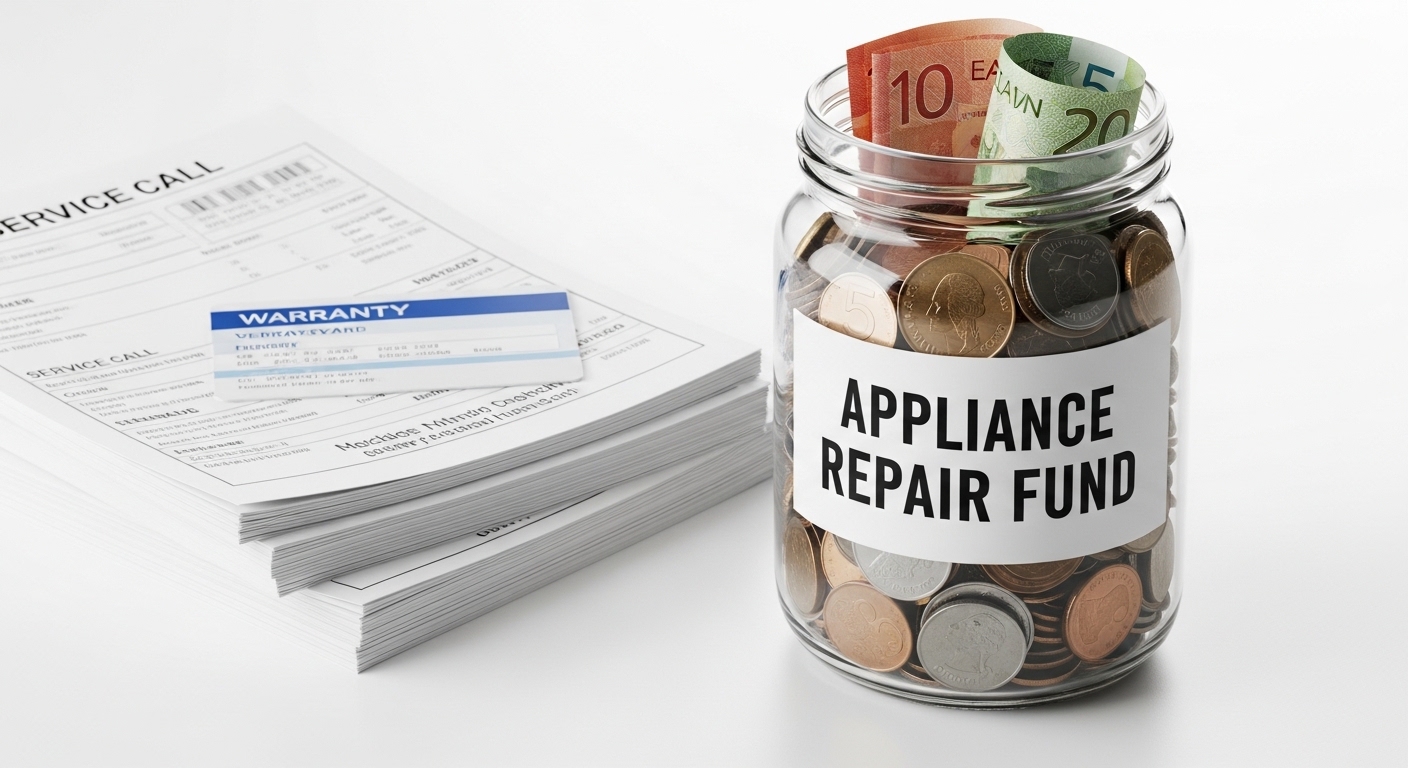 Moving beyond individual appliance coverage, home warranty plans promise comprehensive protection for multiple appliances and home systems throughout your entire property. These plans have gained popularity in real estate transactions and among homeowners seeking budget predictability, yet the reality of living with this coverage often differs dramatically from the marketing materials that make it sound so appealing.The cost structure of home warranty plans creates immediate budget impact that extends far beyond the advertised monthly premiums that grab your attention initially. While annual plans may cost between $500-600, you’ll also pay service call fees ranging from $75-125 for each individual service request, which can accumulate quickly if you experience multiple appliance issues throughout a single year. These additional fees often aren’t prominently featured in initial sales presentations.Response time issues become particularly problematic during extreme weather conditions or peak usage seasons when you need appliances working most urgently. Even with warranty coverage in place, emergency repairs can still take several weeks to complete, especially if parts need to be ordered or if the service provider network becomes overwhelmed. During a winter power outage in Mission, waiting weeks for heater repairs isn’t realistic regardless of your warranty coverage.
Coverage Gaps and Service Limitations
Pre-existing condition exclusions eliminate coverage for problems that existed before your warranty plan began, but determining what constitutes a “pre-existing condition” often becomes subjective and contentious. Home warranty companies may argue that current problems resulted from previous maintenance neglect or gradual deterioration that began before coverage started, effectively denying claims for issues that seem like they should obviously be covered.Age and condition restrictions mean that older appliances or those showing signs of previous wear may be excluded from coverage entirely, even if they’re still functional when you purchase the warranty plan. This creates situations where the appliances most likely to need repairs are specifically excluded from the protection you’re paying for annually.Service provider quality becomes entirely outside your control once you purchase a home warranty plan. You’re required to use technicians from the warranty company’s network, regardless of their local reputation, response time, or service quality. If the assigned service provider does poor work or damages your property during repairs, resolving these issues through the warranty company can become extremely complicated and time-consuming.
Frequently Asked Questions
How long do most appliance manufacturer warranties last?
Most standard manufacturer warranties provide coverage for exactly one year from the original purchase date, covering parts and labor for manufacturing defects only. However, some premium appliance brands offer extended manufacturer warranties of two to five years on specific components like compressors or motors. Always check your specific warranty documentation since coverage periods can vary significantly between brands and appliance categories.
What’s the difference between a manufacturer warranty and an extended warranty?
Manufacturer warranties come included with your appliance purchase and cover manufacturing defects for a limited time period, usually one year. Extended warranties are separate insurance products you purchase additionally that supposedly extend coverage beyond the manufacturer warranty period. Extended warranties typically cost extra, have different terms and exclusions, and are provided by third-party insurance companies rather than the appliance manufacturer directly.
Are home warranty plans worth the annual cost for Mission homeowners?
Home warranty plans rarely provide good value for most Mission homeowners when you calculate the annual fees, service call charges, and frequent claim denials. Setting aside the equivalent amount in a dedicated appliance repair fund typically provides better financial protection and more flexibility in choosing service providers. The main exception might be elderly homeowners on fixed incomes who value predictable expenses over potential savings.
Wrapping Up
Understanding appliance warranty coverage in Mission requires looking beyond the marketing promises to understand what protection you actually receive for your money. Between manufacturer warranty limitations, extended warranty value problems, and home warranty plan restrictions, most homeowners discover that self-insuring through dedicated savings accounts provides better financial protection and service flexibility. When your appliances do need professional attention, choosing experienced local technicians who understand coastal climate challenges often delivers better results than navigating warranty company bureaucracy. At Dewdney Appliance Repair, we help Mission homeowners throughout Silverdale, West Heights, and surrounding areas maintain their appliances effectively and provide honest, reliable service when warranty coverage falls short of expectations.
