
Worried about your washing machine flooding your basement or your dishwasher turning your kitchen into a swimming pool? You’re not alone – water damage from appliances is one of the most common and costly home disasters, but with the right prevention strategies, you can keep your Mission home high and dry! Water damage from household appliances might sound like something that only happens to other people, but trust me, I learned the hard way when my friend Sarah’s water heater decided to throw an epic tantrum at 2 AM. Walking into her flooded basement the next morning was like stepping into a disaster movie – except there was no Hollywood budget to fix the mess. That soggy wake-up call taught me that appliance water damage prevention isn’t just smart; it’s absolutely essential for protecting your home and wallet. From dishwashers that decide to redecorate your floors with sudsy water to washing machines that think they’re indoor fountains, our beloved appliances can quickly turn from helpful household heroes into water-wielding villains. But here’s the thing – most appliance-related water damage is totally preventable with some basic knowledge and regular maintenance.
Key Outtakes:
- Regular maintenance and inspections can prevent up to 80% of appliance-related water damage incidents
- Water sensors and shutoff valves are game-changing tools for early detection and damage prevention
- Understanding your homeowner’s insurance coverage for water damage can save you thousands in unexpected costs
- Creating an emergency action plan ensures you know exactly what to do when water damage occurs
- Professional maintenance services in neighborhoods like West Heights, Silverdale, and Cedar Valley can provide expert preventive care
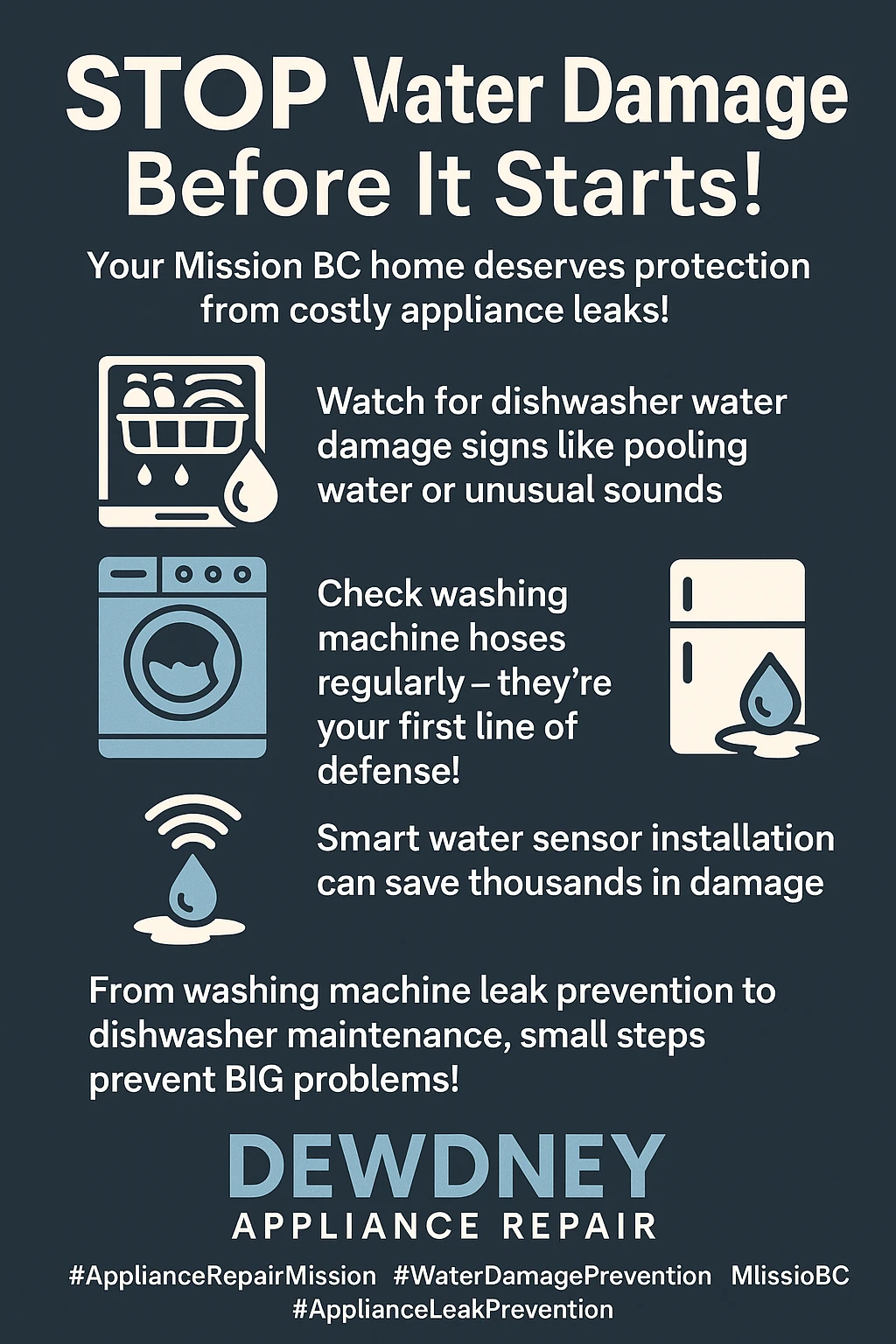
Understanding Appliance Water Damage Risks
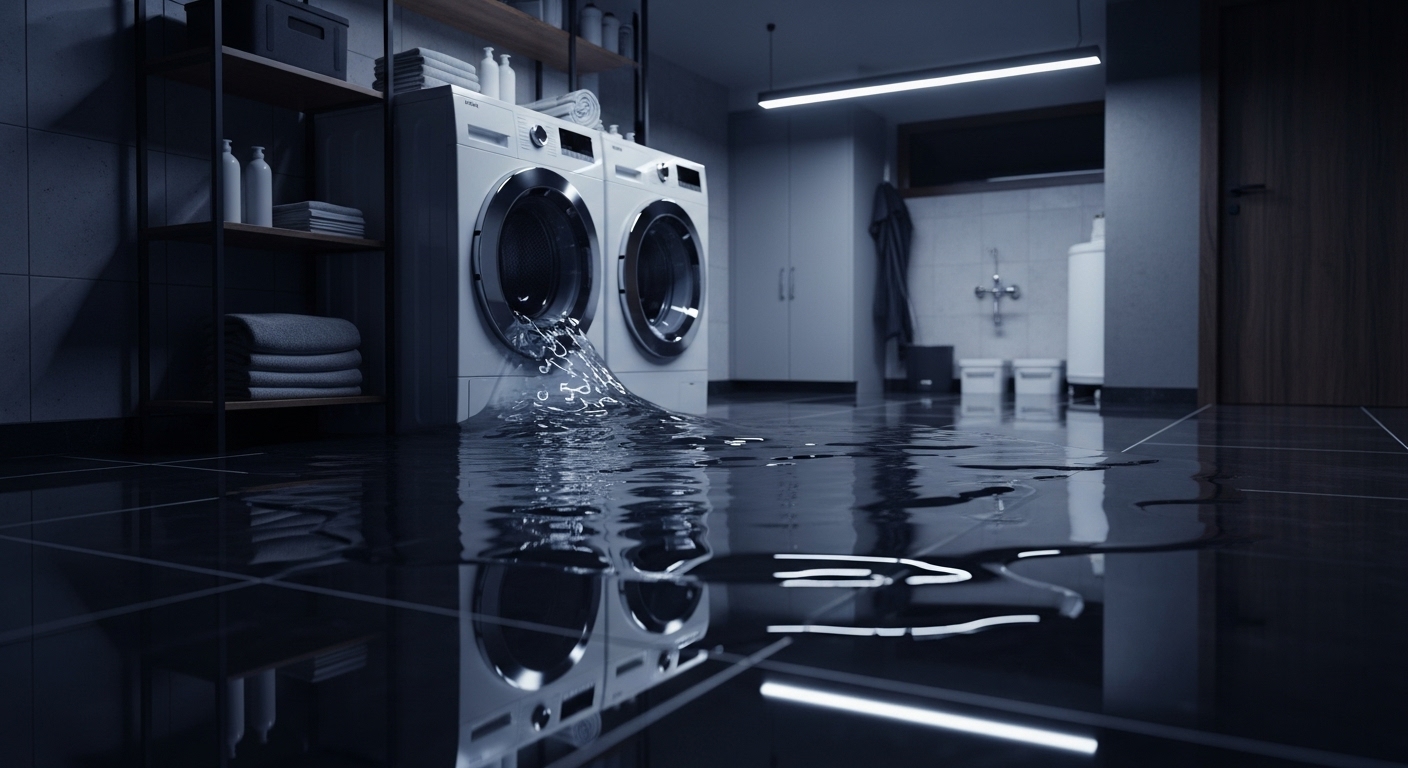 Let’s get real about the sneaky ways our appliances can flood our homes. Water damage doesn’t always announce itself with dramatic gushing sounds – sometimes it’s the silent drip behind your dishwasher that slowly rots your floor joists over months. The most common culprits include washing machines with worn hoses, dishwashers with faulty door seals, water heaters that spring leaks, and refrigerators with clogged drain lines. Think of your home’s appliances like a network of potential water sources, each with multiple connection points that can fail. A washing machine alone has hot water supply lines, cold water supply lines, and a drain hose – that’s three potential failure points right there. When you multiply that across all your water-using appliances, you’re looking at dozens of spots where things can go wrong. The scariest part? Many homeowners don’t realize how quickly water damage can escalate. What starts as a small leak under your dishwasher can spread through subflooring, up into walls, and create the perfect environment for mold growth within 24 to 48 hours. That’s why understanding these risks isn’t just helpful – it’s crucial for protecting your investment and your family’s health.
Essential Prevention Strategies
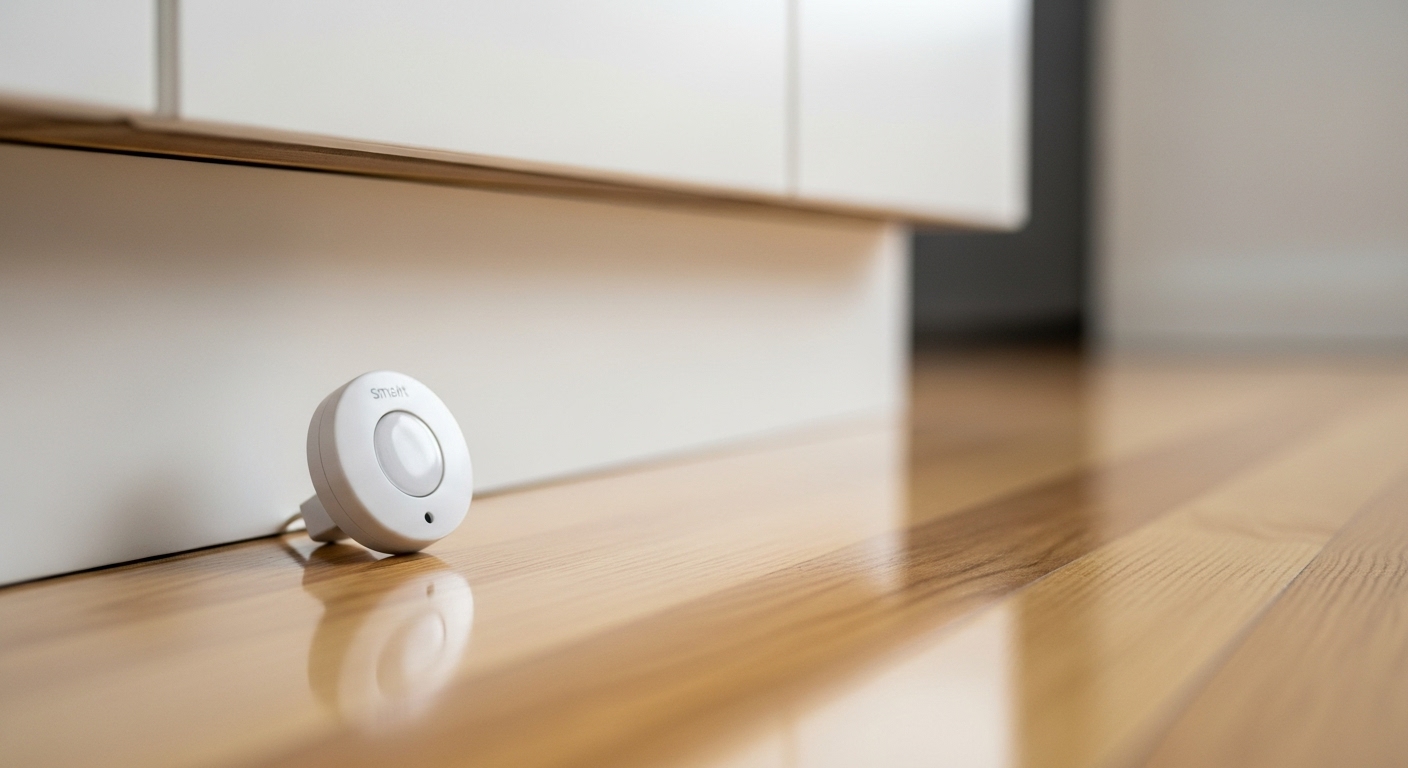 Now that we understand the enemy, let’s talk about building your defense system. Prevention is always cheaper than repair, and when it comes to water damage, an ounce of prevention is literally worth thousands of dollars in restoration costs. The key is creating multiple layers of protection that catch problems before they become disasters. Start with the basics: inspect your appliance hoses and connections every six months. Look for signs of wear, bulging, cracking, or rust stains around connection points. Replace washing machine hoses every three to five years, even if they look fine – those rubber hoses are under constant pressure and will eventually fail. I always tell people to think of hose replacement like changing their car’s timing belt – you don’t wait for it to break. Install water sensors near every major appliance, especially in areas like basements and laundry rooms where a leak might go unnoticed for hours or days. Modern water sensors can send alerts to your phone and even trigger automatic water shutoffs. It’s like having a security system for your plumbing. Consider upgrading to smart shutoff valves that can cut water supply to individual appliances when sensors detect moisture. Don’t forget about proper drainage and ventilation around your appliances. Keep areas clean and ensure proper airflow to prevent moisture buildup that can lead to mold and deterioration. Regularly clean lint from dryer vents, clear refrigerator drain lines, and check that your dishwasher’s garbage disposal connection is functioning properly.
Professional Water Mitigation Services
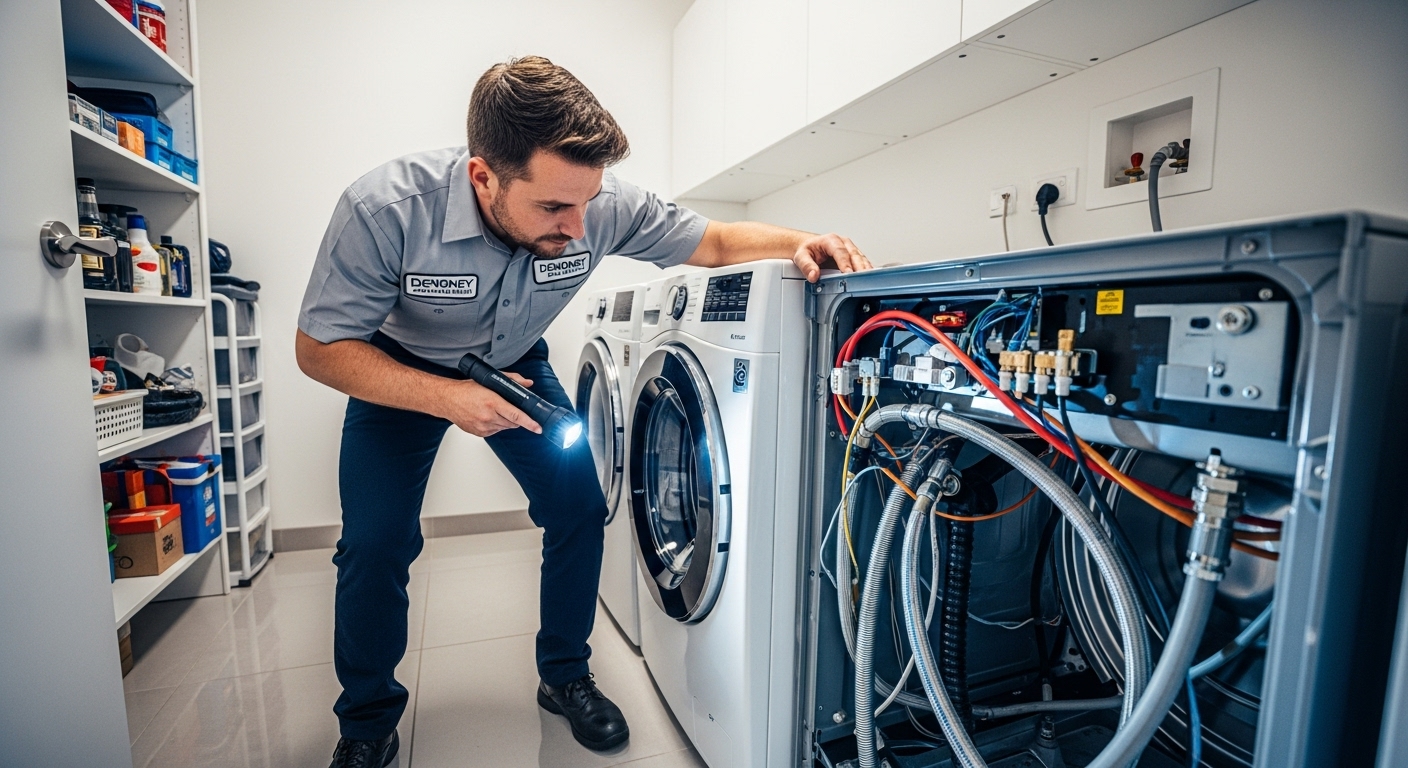 While prevention is your first line of defense, understanding professional water mitigation services can save your home when prevention isn’t enough. Water mitigation isn’t just about mopping up puddles – it’s a comprehensive process that controls and minimizes damage after water intrusion occurs. Think of it as emergency medicine for your home. Professional water mitigation involves several critical steps that happen in rapid succession. First, technicians identify and stop the source of water to prevent further damage. Then comes water extraction using powerful pumps and vacuums, followed by thorough drying with industrial dehumidifiers and high-powered fans. The goal is to remove moisture from every nook and cranny, including hidden areas like wall cavities and subflooring where water loves to hide. The timeline for effective mitigation is surprisingly tight – experts recommend starting the process within 24 to 48 hours of initial water intrusion to prevent secondary damage like mold growth and structural deterioration. Professional teams use specialized equipment like moisture meters and infrared cameras to detect water in areas that aren’t visible to the naked eye. They understand that successful mitigation isn’t just about what you can see – it’s about eliminating moisture completely. Many homeowners don’t realize that professional mitigation services often work directly with insurance companies to streamline the claims process. These experts understand exactly what documentation insurance providers need and can help ensure you receive proper coverage for restoration costs. When you’re dealing with the stress of water damage, having professionals who speak both remediation and insurance language is incredibly valuable.
Insurance Coverage and Emergency Response
Understanding your homeowner’s insurance coverage for water damage is like learning a foreign language – confusing at first, but absolutely essential for protecting your financial future. Most standard policies cover sudden and accidental water damage from appliance failures, but they typically exclude gradual damage from maintenance issues or flooding from external sources. Here’s where it gets tricky: insurance companies distinguish between ‘sudden and accidental’ events versus gradual damage that develops over time. If your washing machine hose bursts and floods your laundry room, you’re likely covered. But if your water heater has been slowly leaking for months and finally causes major damage, your claim might be denied as a maintenance issue. This is why regular inspections and prompt repairs are so important – they protect both your home and your insurance coverage. Create a comprehensive emergency response plan that includes contact information for water restoration companies, plumbers, your insurance agent, and family members who can help during a crisis. Know where your main water shutoff valve is located and make sure every family member can find and operate it quickly. Time is critical during water emergencies, and having a plan eliminates the panic-driven decision making that can make bad situations worse. Document your appliances and home systems with photos and purchase receipts as part of a home inventory. This documentation speeds up insurance claims and helps ensure you receive adequate compensation for damaged items. Store this information digitally in cloud storage so it’s accessible even if your home systems are damaged.
Maintaining Proper Ventilation and Drainage
Proper ventilation and drainage around your appliances creates an environment that’s hostile to water damage and mold growth. Think of good ventilation as creating a constant breeze that whisks away moisture before it can settle into materials and cause problems. Areas like laundry rooms, basements, and utility closets are particularly vulnerable because they often have poor airflow and multiple water sources. Install and use exhaust fans in bathrooms and laundry areas, and consider adding ventilation to utility rooms where water heaters and other appliances operate. These fans should run long enough after appliance use to remove all excess humidity – not just until the visible steam disappears. Humidity meters can help you monitor moisture levels and ensure your ventilation systems are working effectively. Pay special attention to drainage around appliances, particularly in basement installations where gravity works against you. Ensure floor drains are clear and functional, and consider installing backup sump pumps in areas prone to moisture accumulation. Proper grading and drainage around your home’s foundation prevents external water from infiltrating basement areas where many appliances are located. Regular maintenance of these systems is just as important as the initial installation. Clean dryer vents annually, test sump pumps before heavy rain seasons, and replace exhaust fan filters regularly. These simple maintenance tasks create a hostile environment for water damage and significantly reduce your risk of appliance-related flooding.
Frequently Asked Questions
What should I do immediately if I discover water damage from an appliance?
First, ensure your safety by avoiding electrical hazards and standing water. Shut off the water supply to the affected appliance and turn off electricity to the area if there’s any risk of electrical contact with water. Document the damage with photos for insurance purposes, then contact your insurance provider and a professional water mitigation company immediately. The faster you respond, the less damage you’ll experience and the better your chances of full recovery.
How often should I replace appliance hoses and connections?
Replace washing machine hoses every three to five years regardless of their appearance, as rubber deteriorates over time even when it looks fine. Dishwasher hoses should be inspected annually and replaced if you notice any signs of wear, cracking, or mineral buildup. Water heater connections should be checked during annual maintenance visits, and refrigerator water lines should be inspected whenever you move or service the appliance. When in doubt, replacement is always cheaper than dealing with flood damage.
Does homeowner’s insurance cover all types of appliance water damage?
Most standard homeowner’s insurance policies cover sudden and accidental water damage from appliance failures, but they typically exclude gradual damage from maintenance issues, flooding from external sources, and damage from earthquakes or other specific perils. Coverage varies significantly between policies, so review your specific terms and consider additional coverage like water backup or equipment breakdown insurance. Regular maintenance documentation can help support your claims for covered incidents.
Wrapping Up
Water damage prevention isn’t just about protecting your stuff – it’s about preserving your peace of mind and financial security. By implementing regular inspection routines, installing early warning systems, and understanding your insurance coverage, you’re building a comprehensive defense against one of the most common and costly home disasters. Remember, the small investment in prevention measures today can save you thousands in restoration costs tomorrow. When you need expert appliance maintenance or emergency repair services in Mission, including neighborhoods like West Heights, Silverdale, and Cedar Valley, Dewdney Appliance Repair has the experience and knowledge to keep your appliances running safely and efficiently. Our team understands the connection between proper appliance maintenance and water damage prevention, and we’re here to help protect your home with professional service you can trust.
