
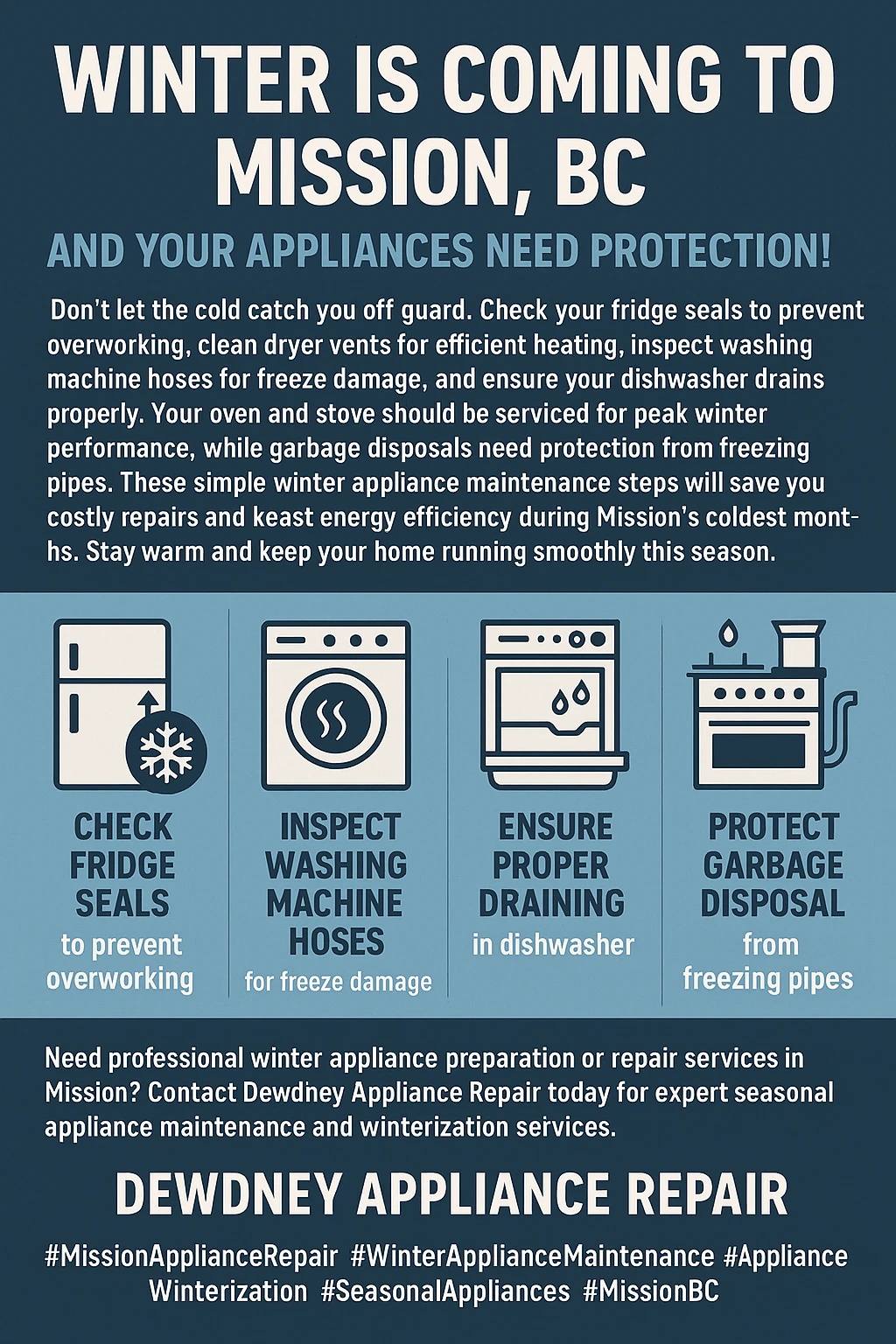
Wondering why your trusty appliances seem to turn against you the moment temperatures drop below freezing? Join us as we dive deep into the science behind winter appliance failures and discover the simple steps that can save you thousands in emergency repairs while keeping your home running smoothly all season long. Winter in Mission doesn’t just bring beautiful snow-capped mountains and cozy nights by the fireplace – it also brings the very real threat of appliance breakdowns that can turn your comfortable home into a costly disaster zone. As someone who’s lived through more than my fair share of British Columbia winters, I’ve learned the hard way that cold weather and household appliances have a relationship that’s anything but friendly. The freezing temperatures that make our region so picturesque can wreak absolute havoc on everything from your washing machine to your water heater, often striking at the worst possible moment when repair services are stretched thin and replacement parts are harder to come by. What many homeowners in neighborhoods like Silverdale, Silverhill, and downtown Mission don’t realize is that most winter appliance disasters are completely preventable with the right preparation and understanding of how cold weather affects your home’s essential systems. From the physics of water expansion in pipes to the increased strain on heating elements working overtime, winter creates a perfect storm of conditions that can transform minor maintenance issues into major catastrophes that empty your wallet faster than you can say “emergency service call.”
Key Takeaways:
- Freezing temperatures cause water to expand in appliance pipes and valves, leading to cracks and burst lines that can cost thousands in repairs
- Appliances work 30-50% harder in cold weather, significantly increasing wear and energy consumption while reducing their operational lifespan
- Proper winterization prevents 80% of cold weather appliance failures through simple maintenance steps that cost pennies compared to repairs
- Temperature fluctuations between 20°F and 32°F pose the greatest risk to unprotected appliances, with damage occurring rapidly during freeze-thaw cycles
- Professional inspections before winter can identify vulnerabilities that lead to emergency breakdowns, saving homeowners thousands in unexpected repair costs
The Science Behind Cold Weather Appliance Destruction
Understanding why winter turns your helpful appliances into potential disasters starts with some basic physics that every homeowner should know. When temperatures drop below freezing, the water inside your appliances doesn’t just get cold – it transforms into ice, expanding by about 9% and creating pressure that can crack pipes, burst valves, and destroy internal components. This isn’t just a minor inconvenience we’re talking about; it’s a force of nature that can literally tear apart the delicate mechanisms your appliances depend on to function properly. The real danger zone isn’t necessarily the sustained deep freeze that gets all the attention on weather reports. Instead, it’s those tricky temperature fluctuations between 20°F and 32°F that cause the most havoc. When water repeatedly freezes and thaws, it creates a cycle of expansion and contraction that weakens seals, loosens connections, and gradually damages components that were never designed to handle this kind of stress. Your appliances are basically getting hit with the equivalent of tiny hammers every time the temperature crosses that freezing threshold. Most homeowners think their indoor appliances are safe from outdoor temperatures, but that’s a dangerous misconception. Many appliances have water lines and connections that run through unheated spaces like crawl spaces, basements, or along exterior walls where they’re vulnerable to freezing even when your living areas stay toasty warm. These hidden vulnerabilities are often what catch homeowners off guard with sudden failures during cold snaps. The compressor systems in refrigerators and air conditioning units face their own unique challenges during winter months, as these systems are designed to operate within specific temperature ranges, and when surrounding air gets too cold, they have to work exponentially harder to maintain proper internal temperatures. 
Most Vulnerable Appliances and Their Winter Failure Points
Now that we understand the science behind cold weather damage, let’s dive into which appliances are most at risk and exactly how winter conditions target their weakest points. Your washing machine sits at the top of the vulnerability list because it’s essentially a water management system with multiple connection points that can freeze. Water inlet valves are particularly susceptible to freeze damage, especially if your machine is positioned near exterior walls or in unheated spaces like basements or utility rooms. When these inlet valves freeze, you’ll notice your washer either won’t fill at all or fills incredibly slowly, leading many homeowners to think they have a mechanical failure when they actually have an ice blockage. The real disaster occurs when that ice thaws and the damaged valve starts leaking, potentially flooding your laundry area. This type of failure often happens gradually, starting with minor drips that can go unnoticed until you’re dealing with significant water damage. Dishwashers face similar challenges but with additional complications from their complex spray arm systems and drainage components that can be affected by temperature changes throughout your home. Your dryer might seem safe from water-related freeze damage, but winter creates its own set of problems through vent blockages and moisture complications. Snow and ice can block exterior dryer vents, forcing moist air back into the machine and creating conditions for lint buildup that becomes a serious fire hazard. The combination of trapped moisture and restricted airflow makes your dryer work harder while creating dangerous conditions inside your home. Water heaters get hammered during winter because they’re constantly fighting against incoming water that’s significantly colder than usual, forcing these units to work much harder to bring frigid water up to usable temperatures. Refrigerators in garages or other unheated spaces face a unique challenge that many homeowners don’t anticipate. These units are designed to work within specific ambient temperature ranges, and when surrounding air gets too cold, the compressor can’t regulate internal temperatures effectively. You might find food freezing in the refrigerator section or the freezer struggling to maintain proper temperatures, both signs that the unit is fighting against environmental conditions it wasn’t designed to handle. Space heaters and heating equipment also face increased strain during winter months, as they’re called upon to work longer hours and at higher capacities than during milder weather. 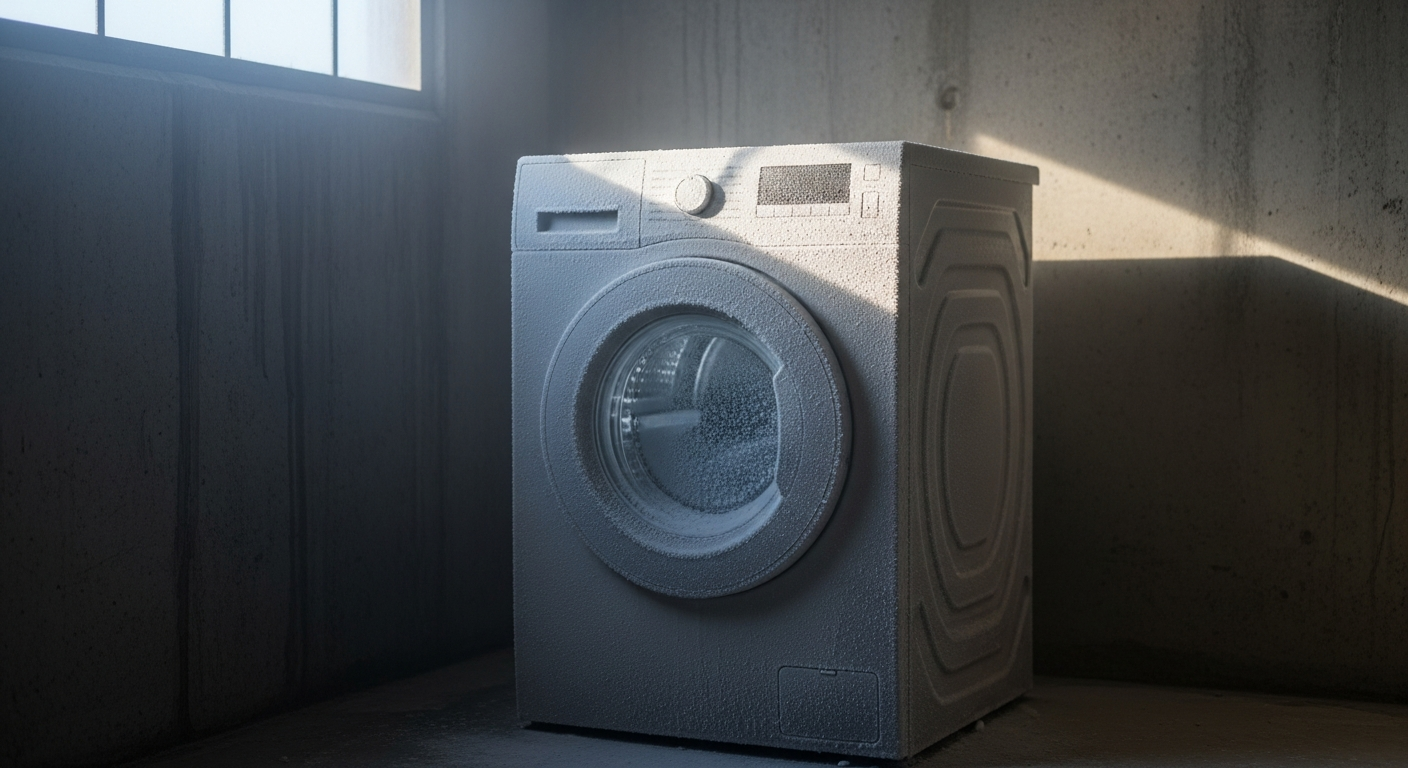
Comprehensive Appliance Winterization Checklist
Moving from understanding problems to preventing them, let’s create a systematic approach to protecting your appliances before winter weather strikes. The foundation of any effective winterization strategy starts with insulating vulnerable water lines and repositioning appliances away from high-risk areas. This isn’t just about wrapping a few pipes – it’s about creating a comprehensive barrier system that protects every vulnerable connection point in your home’s appliance network. Start with your washing machine and dishwasher connections, focusing on any water lines that run through unheated spaces or along exterior walls. Foam pipe insulation is inexpensive and incredibly effective, but make sure you’re using the right diameter for your specific pipes and that you’re covering every inch of exposed line. Pay special attention to connection points and valve areas where ice damage typically begins, and don’t forget about drain lines that can also freeze and cause backup problems. Your dryer deserves special attention during winterization because lint buildup becomes exponentially more dangerous in cold weather conditions. Clean your lint trap thoroughly – not just the surface lint, but use a vacuum to remove the fine particles that work their way into the trap housing. Walk outside and check your dryer vent, clearing away any snow, ice, or debris that might restrict airflow. Consider installing a vent cover that prevents snow and ice accumulation while still allowing proper ventilation. For water heaters, drain sediment from the tank and check the temperature and pressure relief valve to ensure it’s functioning properly. Insulate hot water pipes throughout your home, paying particular attention to any lines that run through unheated areas. 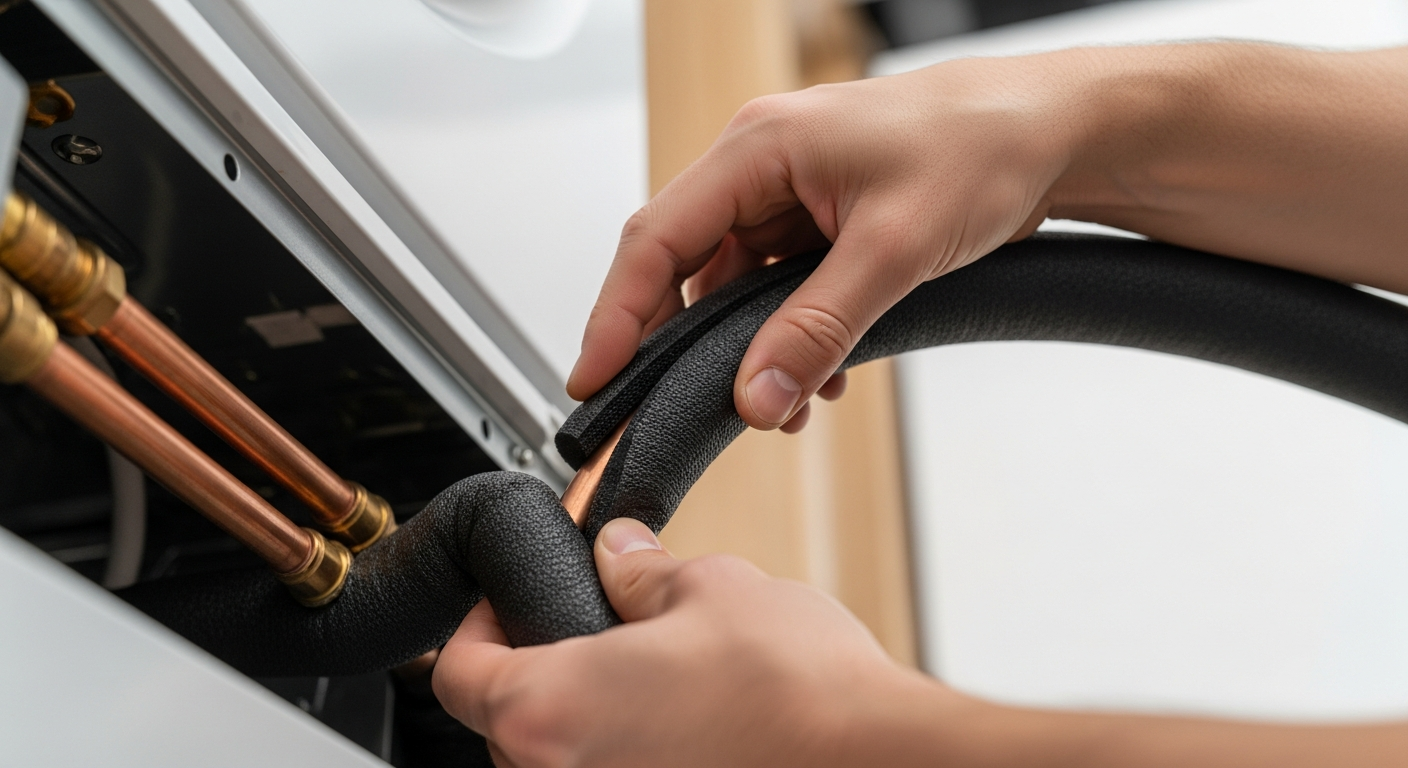
Protecting Specific Appliance Types
Different appliances require tailored winterization approaches based on their unique vulnerabilities and operating mechanisms. For refrigerators and freezers located in garages or unheated spaces, ensure the ambient temperature stays above 55°F whenever possible. If this isn’t feasible, consider moving the unit to a heated area or investing in a garage heater designed specifically for appliance protection. Check door seals and gaskets for any signs of wear that could allow cold air infiltration, and clean condenser coils to ensure optimal efficiency during the demanding winter months. Space heaters and portable heating units need thorough safety inspections before winter use, including checking electrical cords for damage, ensuring proper clearance from flammable materials, and verifying that safety features like tip-over switches are functioning correctly. Clean any dust or debris from heating elements and verify that ventilation areas are clear of obstructions. For gas appliances, have professional inspections conducted to check for leaks and ensure proper ventilation, as carbon monoxide risks increase significantly during winter months when windows stay closed and ventilation is reduced. Dishwashers require special attention to their water supply lines and drainage systems, particularly where pipes connect through exterior walls or unheated spaces. Run a cleaning cycle with vinegar to remove mineral buildup that can worsen during winter months when water temperatures fluctuate, and check the door seal for any cracks or damage that could allow cold air to reach internal components. Don’t forget about outdoor appliances like pool equipment or workshop tools that need either proper winterization or indoor storage to prevent freeze damage.
Emergency Prevention for Mission’s Unique Climate Challenges
Building on our comprehensive winterization approach, it’s crucial to understand how Mission’s specific climate patterns create unique challenges for appliance protection that differ from other regions. Our location in the Fraser Valley means we experience dramatic temperature swings that can catch even well-prepared homeowners off guard. These sudden shifts from mild weather to freezing conditions don’t give appliances time to gradually adjust, making rapid temperature changes particularly destructive to sensitive components. The moisture levels common in our region during winter months create additional complications that homeowners in drier climates don’t face. This humidity can lead to condensation issues inside appliances, particularly those located in unheated spaces like basements or garages. When this moisture freezes, it can damage electrical components and create corrosion problems that may not become apparent until spring. Areas like Silverdale and West Heights, with their proximity to the Fraser River, often experience even higher humidity levels that compound these issues. Power outages during winter storms present another layer of complexity for appliance protection in Mission. When electricity is restored after an outage, the sudden power surge can damage appliances that weren’t properly protected, while the initial power loss can cause problems for refrigerators and freezers that lose temperature control during critical cold periods. Installing surge protectors and having backup power plans become essential components of comprehensive winter preparedness. Residents in hillside areas like Silverhill often face extended outages due to their remote locations, making these preparations even more critical.
Creating Your Winter Appliance Emergency Kit
Every Mission homeowner should maintain a dedicated emergency kit specifically for appliance-related winter problems, going beyond the basic supplies most people keep on hand. Your kit should include pipe repair clamps and waterproof tape for quick fixes when water lines burst, as well as a reliable flashlight and battery-powered radio for power outage situations. Keep extra furnace filters on hand, as these need more frequent changing during heavy-use winter months, and consider having backup heating sources that don’t rely on your primary systems. Stock up on appliance-safe antifreeze for systems that can accommodate it, and maintain a supply of distilled water for humidifiers and steam irons that may be used more frequently during dry winter months. Include the contact information for reliable repair services, but remember that response times can be significantly longer during severe weather events. Having basic tools like pipe wrenches, electrical testing equipment, and emergency shut-off valve locations clearly marked throughout your home can make the difference between a minor inconvenience and a major disaster. Don’t forget about backup plans for essential appliances like your water heater or heating system. Know where your main water shut-off valve is located and how to operate it quickly in case of burst pipes. Keep extra blankets and warm clothing easily accessible in case heating systems fail, and consider having alternative cooking methods available if your stove or microwave stops working during a winter storm when restaurants and takeout options may be limited.
Frequently Asked Questions
Why do appliances fail more often during winter months?
Appliances fail more frequently during winter because cold temperatures cause water to expand by approximately 9% when it freezes, creating pressure that can crack pipes, burst valves, and damage internal components. Additionally, appliances must work 30-50% harder in cold weather to maintain proper operating temperatures, leading to increased wear on motors, heating elements, and other mechanical parts. Temperature fluctuations between freezing and thawing create repeated stress cycles that weaken seals and connections over time. The increased demand on heating systems, water heaters, and other essential appliances during winter months also accelerates normal wear patterns. When you combine this with the fact that many water lines and connections run through unheated spaces where they’re vulnerable to freezing, it creates a perfect storm for appliance failures during the coldest months of the year.
How can I tell if my appliances are at risk for winter damage?
Signs that your appliances are vulnerable to winter damage include any water lines running along exterior walls, appliances located in unheated spaces like garages or basements, and older units that haven’t received recent maintenance. Look for signs like slow-filling washing machines or dishwashers, which could indicate partially frozen water lines. Unusual noises from refrigerators or heating systems often signal that components are working harder than normal due to cold stress. Check for any visible condensation around appliance connections, as this moisture can freeze and cause damage. Pay attention to increased energy bills, which may indicate that your appliances are working overtime to compensate for cold conditions. If you notice any of these warning signs, it’s important to address them immediately before temperatures drop further and cause more serious damage.
What’s the most cost-effective way to winterize my appliances?
The most cost-effective winterization approach focuses on insulating vulnerable water lines with foam pipe wrap, which costs just a few dollars per appliance but can prevent thousands in damage. Cleaning dryer vents, replacing furnace filters, and conducting basic maintenance checks cost minimal money but provide maximum protection. Simple steps like leaving cabinet doors open during extreme cold to allow warm air circulation around pipes under sinks can prevent freeze damage at no cost. Professional inspections for gas appliances and heating systems represent a small upfront investment that can identify potential problems before they become expensive emergencies. The key is to focus on prevention rather than reaction, as emergency repair calls during winter storms can cost significantly more than routine maintenance performed during milder weather. Most basic winterization tasks can be completed for under $100 per appliance while potentially saving thousands in repair costs.
Wrapping Up
Winter appliance preparation isn’t just about avoiding inconvenience – it’s about protecting your investment and ensuring your family’s safety and comfort throughout Mission’s challenging winter months. By understanding the science behind cold weather appliance damage and implementing the comprehensive winterization strategies we’ve outlined, you’re taking control of your home’s winter readiness rather than leaving it to chance. Remember that the small investment in preparation time and materials now can save you thousands in emergency repairs and give you peace of mind when those inevitable winter storms roll through our beautiful Fraser Valley. When winter appliance problems do arise despite your best preparation efforts, don’t hesitate to contact the experienced team at Dewdney Appliance Repair. We understand the unique challenges that Mission’s climate presents to home appliances, and our skilled technicians are ready to help residents throughout Silverdale, Silverhill, West Heights, and all surrounding areas get their essential systems back up and running quickly and efficiently, so you can get back to enjoying winter instead of fighting it.
